Loading Search...



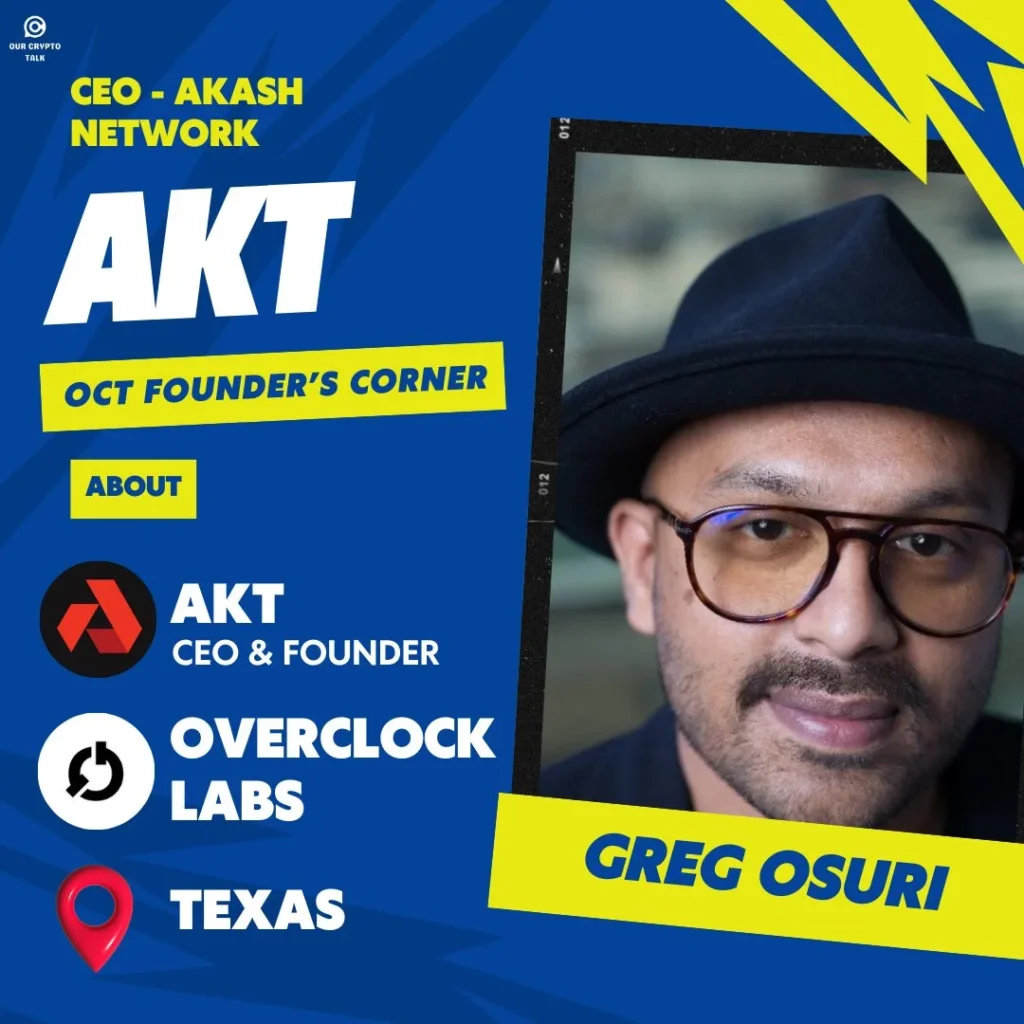
Akash founder Greg Osuri criticizes stablecoin swaps after a MetaMask trade converted 100 USDC into 99.28 USDT due to fees and slippage.

Author: Tanishq Bodh
March 8, 2026 – A routine stablecoin swap has sparked debate across the crypto industry after Greg Osuri, founder of Akash Network, criticized stablecoins for value loss during token conversions.
Osuri shared a screenshot on X showing a swap attempt of USD Coin to Tether using the MetaMask wallet. The transaction converted 100 USDC into only 99.28 USDT, triggering complaints about slippage and swap fees.
The post quickly gained traction online, drawing thousands of views and replies from users who argued the issue reflected wallet configuration and routing rather than stablecoin reliability.
High Signal Summary For A Quick Glance
Steady attention without excessive speculation.
Greg Osuri posted a screenshot of a MetaMask swap showing 100 USDC converting into 99.28 USDT. The interface showed a conversion rate of 1 USDC to 0.993 USDT.
The transaction included a slippage tolerance of 2 percent and a MetaMask swap fee of roughly 0.875 percent. Network fees were minimal at around $0.01.
Osuri argued that slippage between stablecoins creates accounting complications and reduces reliability for financial transfers. He added that these experiences discourage him from using stablecoins.
The post triggered immediate discussion within the crypto community. Several users pointed out that the loss came mainly from the wallet’s built-in swap fee rather than price volatility.
Stablecoins form the backbone of crypto trading and decentralized finance. Tokens like USDC and USDT settle billions of dollars in transactions daily and maintain a near-constant one-dollar value.
However, user experience in DeFi often depends on the interface used to execute swaps. Wallet tools may route trades through less efficient liquidity pools or include higher fees compared with specialized protocols.
For developers and builders, the incident highlights a growing challenge. Crypto infrastructure is powerful, but the user experience can still confuse even experienced participants.
The episode also reinforces an ongoing debate about stablecoins. Some developers argue that fiat-backed tokens lack the censorship resistance of native cryptocurrencies.
The conversation arrives during a period of rapid stablecoin growth. Dollar-pegged tokens now power trading, lending, and cross-border payments across the crypto ecosystem.
Specialized platforms such as Curve Finance have built infrastructure designed to minimize slippage in stablecoin swaps. Other tools, including CowSwap, aim to reduce fees and protect traders from front-running bots.
Community members responding to Osuri recommended these alternatives and noted that optimized DeFi swaps can often convert $100 of one stablecoin into nearly $100 of another.
The discussion reflects a broader shift in decentralized finance. As the ecosystem matures, performance differences between wallets, aggregators, and liquidity venues are becoming more visible to users.
Our Crypto Talk is committed to unbiased, transparent, and true reporting to the best of our knowledge. This news article aims to provide accurate information in a timely manner. However, we advise the readers to verify facts independently and consult a professional before making any decisions based on the content since our sources could be wrong too. Check our Terms and conditions for more info.



Blockaid Exposes $230K Exploit on Gondi NFT Lending Protocol
$YELLOW Token Launch Activates Yellow Network Trading
MicroStrategy Bitcoin Purchase: 101st BTC Buy Announced
USDC on Ethereum Hits All-Time High with $1.7T Monthly Volume
Blockaid Exposes $230K Exploit on Gondi NFT Lending Protocol
$YELLOW Token Launch Activates Yellow Network Trading
MicroStrategy Bitcoin Purchase: 101st BTC Buy Announced
USDC on Ethereum Hits All-Time High with $1.7T Monthly Volume

Akash Network
$0.38