Loading Search...


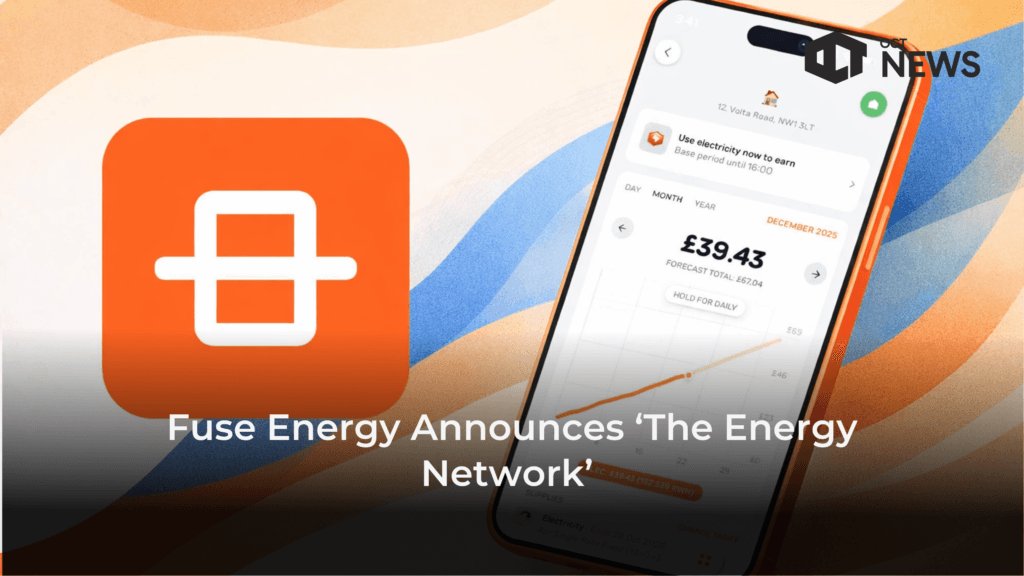
Fuse Energy has announced the upcoming launch of The Energy Network, a system that transforms homes into grid-stabilizing power sources.

Author: Sahil Thakur
31st January 2026 – Fuse Energy, a UK-based renewable energy company founded by former Revolut executives, has announced the upcoming launch of The Energy Network, a decentralized system that transforms smart homes into grid-stabilizing power sources.
High Signal Summary For A Quick Glance

CryptoJoe 🧸
@joe_icrypto

@fuseenergy Nice one! I’m waiting for that option on the Fuse app
It's time to scale our grids. Take a first look at The Energy Network product 👇 Launching soon. https://t.co/D3pS6yf1J1
02:35 PM·Jan 30, 2026

CreativeDude
@creativeburne
@fuseenergy @solana First time hearing about this project and now seeing them building on Solana Great to see it
It's time to scale our grids. Take a first look at The Energy Network product 👇 Launching soon. https://t.co/D3pS6yf1J1
11:40 PM·Jan 29, 2026

HENRYSCOTT 🐢
@AjisafeEstherI1
@fuseenergy How many likes to make this happen faster?
It's time to scale our grids. Take a first look at The Energy Network product 👇 Launching soon. https://t.co/D3pS6yf1J1
10:49 PM·Jan 29, 2026
Steady attention without excessive speculation.
Rather than relying on new infrastructure, The Energy Network uses existing smart devices like EV chargers, solar panels, and home batteries to shift electricity consumption to off-peak hours. This coordination helps reduce blackouts, ease grid congestion, and support the growing demand from AI, automation, and electrification.
To participate, users start by switching their home electricity provider to Fuse via the Fuse app. They receive a free smart meter installation and can then connect their devices ranging from solar inverters to thermostats through the app or API.
For those without compatible hardware, manual participation remains possible. The app sends real-time prompts to shift usage away from high-demand periods.
Meanwhile, Fuse continuously monitors wholesale electricity prices and grid stress levels. When energy is cheap and abundant, the system optimizes consumption accordingly. During peak hours, it reduces demand. This dynamic balancing acts like a virtual power plant, earning value in energy markets and returning rewards to users.
The Energy Network runs on the Solana blockchain, making it a Decentralized Physical Infrastructure Network (DePIN). The system issues rewards using its native token, $ENERGY, to incentivize households for contributing to grid flexibility.
Unlike traditional utilities, Fuse doesn’t require proprietary devices. The platform supports a wide range of hardware brands, allowing seamless integration for users.
Notably, the company has already connected over 201,000 homes and 1,000 devices, with plans to scale even further. As of January 2026, The Energy Network remains in beta but will launch publicly soon.
The platform turns energy flexibility into a monetizable asset. By consuming power when it’s cheaper and cleaner, and reducing demand during expensive peaks, users help balance the grid while earning rewards.
Importantly, users retain full control over their comfort and electricity usage. Essential services remain unaffected, and smart adjustments happen in the background or manually with app prompts.
This approach improves energy efficiency without lifestyle disruption. It also reduces the need for new physical infrastructure, speeding up the adoption of renewables.
Users earn $ENERGY based on how much value they create such as reducing peak-time demand or connecting smart devices. Early adopters benefit more thanks to the disinflationary token schedule.
Tokens can be used in several ways:
$ENERGY is an SPL token on Solana, supporting fast and low-cost transactions with self-custody.
The Energy Network operates off-chain initially for efficiency, with a roadmap toward fully on-chain coordination. It participates in UK energy markets such as day-ahead, imbalance, and ancillary services, and plans to expand across Europe and North America.
Security remains a priority, with third-party audits and safeguards against vulnerabilities. Legally, the system cleared a major hurdle: in December 2025, the SEC issued a no-action letter for the token, signaling regulatory green light in the U.S.
Governance is led by a technical team with experience from Tesla, SpaceX, Citadel, CERN, and Jump Trading. Fuse has also partnered with top legal firms and auditors, ensuring compliance and credibility as it scales.
Relative positioning against past updates or peers
Ultimately, Fuse Energy sees The Energy Network as a platform for energy abundance. Instead of rationing electricity, it unlocks flexibility to support next-generation needs from AI training to clean water via desalination.
Looking ahead, Fuse plans to:
By 2050, the company aims to build a self-sufficient, decentralized energy ecosystem that empowers users while stabilizing global grids.
Our Crypto Talk is committed to unbiased, transparent, and true reporting to the best of our knowledge. This news article aims to provide accurate information in a timely manner. However, we advise the readers to verify facts independently and consult a professional before making any decisions based on the content since our sources could be wrong too. Check our Terms and conditions for more info.