Loading Search...


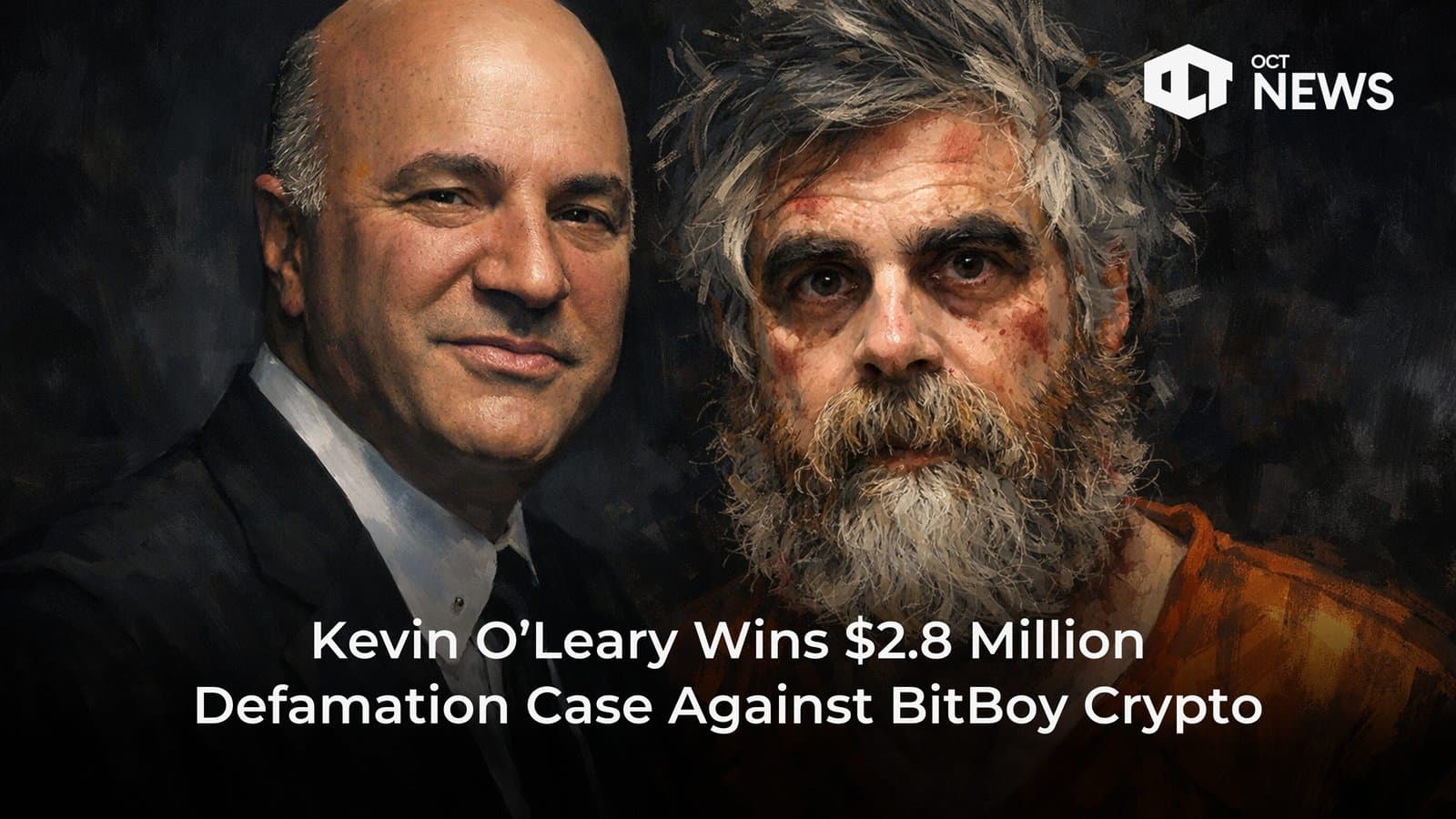
Kevin O’Leary has secured a major legal victory against crypto influencer Ben Armstrong, widely known as BitBoy Crypto.

Author: Sahil Thakur
Steady attention without excessive speculation.
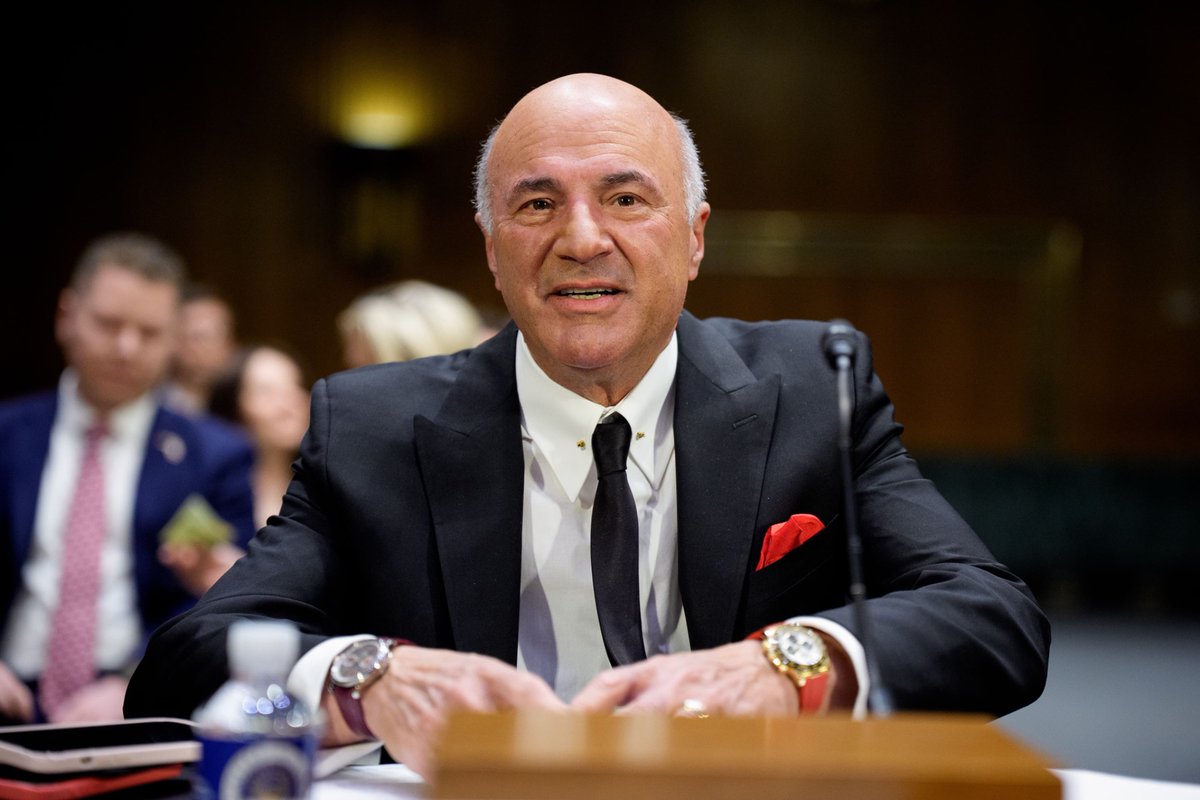
14th February 2026 – Kevin O’Leary has secured a major legal victory against crypto influencer Ben Armstrong, widely known as BitBoy Crypto. U.S. District Judge Beth Bloom in the Southern District of Florida entered a default judgment in O’Leary’s favor, awarding him $2.8 million in damages.
The ruling came after Armstrong failed to properly defend himself in court. As a result, the court entered default judgment on six counts of defamation per se.
High Signal Summary For A Quick Glance

That Martini Guy ₿
@MartiniGuyYT

🚨 LATEST Kevin O'Leary has won a $2.8M defamation lawsuit against crypto influencer Ben Armstrong ('Bitboy.') https://t.co/TFEldfzBzh
02:53 AM·Feb 14, 2026

Hawk
@CryptoHawk19
all the ways people have criminally screwed others over in this space and walked away with no consequences and then the courts rule Bitboy has to pay Kevin O'Leary of all people?
02:34 AM·Feb 14, 2026

yourfriendSOMMI ❤️💛💚💙
@yourfriendSOMMI
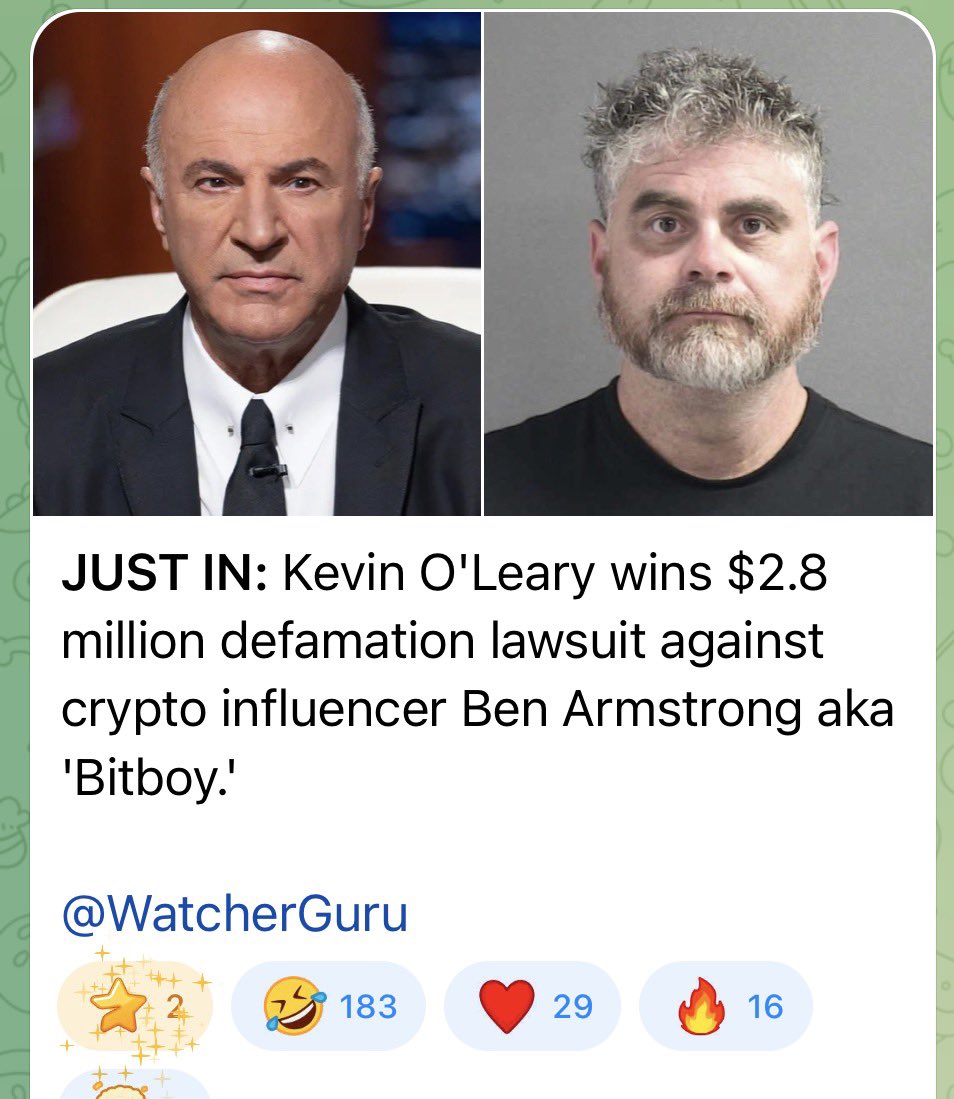
❤️💛💚💙 🚨 The Final Snake Bite 🚨 🥊 BitBoy has been unlawfully defeated by Kevin O’Leary. Mr Wonderful wins $2.8M USD. 🐍 This is truly the final bite in Year of the Snake. Kevin O Leary was FTX sponsored in 2021. Boooooo!! https://t.co/cT0jMGfn7O
02:11 AM·Feb 14, 2026
The court divided the damages into three categories:
Judge Bloom ruled that Armstrong’s statements falsely accused O’Leary of criminal conduct and that he made those claims with actual malice.
The allegations stem from a tragic boating accident in 2019 on Lake Joseph in Ontario, Canada.
O’Leary’s wife, Linda O’Leary, operated the boat at the time of the collision. Two individuals, Gary Poltash and Susanne Brito, died in the accident. Authorities investigated the incident. Prosecutors charged Linda O’Leary with careless operation of a vessel. However, a Canadian court acquitted her in 2021 due to insufficient evidence.
Kevin O’Leary was a passenger and faced no charges.
Despite this public record, Armstrong repeatedly claimed that O’Leary was a “real-life murderer” and alleged that he paid money to cover up the incident.
In early 2025, Armstrong began targeting O’Leary across social media platforms. He posted repeated accusations on X, calling O’Leary a killer and claiming a cover-up. He also published O’Leary’s phone number and encouraged followers to contact him.
The posts gained traction. However, they directly contradicted documented court findings from Canada.
O’Leary filed the lawsuit on March 26, 2025, in federal court in Miami. The complaint described Armstrong’s posts as deliberate falsehoods published with actual malice. O’Leary initially sought more than $4 million in damages.
Armstrong publicly mocked the lawsuit at the time. He even posted a taunt asking what O’Leary could do to him.

As the case progressed, Armstrong failed to mount a proper defense.
In October 2025, O’Leary testified about reputational damage, security threats, business harm, and emotional stress. Armstrong did not appear at the hearing.
In January 2026, Armstrong attempted to vacate the default judgment. He argued excusable neglect, citing incarceration and mental health issues. The court rejected the motion.
Finally, on February 13, 2026, Judge Bloom issued the final ruling. The court concluded that Armstrong’s statements were defamatory per se because they falsely implied criminal conduct. The judge also emphasized Armstrong’s failure to provide a substantive defense.
The ruling quickly circulated across crypto media and social platforms. Many users pointed out the irony of Armstrong previously daring O’Leary to sue him. Others framed the case as a warning to influencers who spread unverified allegations.
This case also connects to broader fallout from the FTX era. O’Leary previously served as an ambassador for FTX and publicly acknowledged losing money in its collapse. Meanwhile, Armstrong faced his own legal and reputational challenges over crypto promotions and other controversies.
The verdict reinforces that online influence does not shield individuals from legal consequences.
The $2.8 million judgment now stands. Armstrong could file an appeal. However, his legal history and financial difficulties may complicate any recovery process.
Collecting the full amount could prove challenging if Armstrong lacks sufficient assets. Still, the ruling sends a strong signal about accountability in crypto media.
For O’Leary, the outcome reinforces his public stance on personal responsibility. For the broader crypto industry, the case marks another step toward legal consequences for misinformation and reputational attacks.
Our Crypto Talk is committed to unbiased, transparent, and true reporting to the best of our knowledge. This news article aims to provide accurate information in a timely manner. However, we advise the readers to verify facts independently and consult a professional before making any decisions based on the content since our sources could be wrong too. Check our Terms and conditions for more info.



Vitalik Buterin Criticizes Prediction Markets as Short-Term Gambling
Amara Exchange Breach Hits $AMARA Token After Launch
Kevin O’Leary Wins $2.8 Million Defamation Case Against BitBoy Crypto
Hibachi Partners with Arc for On-Chain FX Trading
Vitalik Buterin Criticizes Prediction Markets as Short-Term Gambling
Amara Exchange Breach Hits $AMARA Token After Launch
Kevin O’Leary Wins $2.8 Million Defamation Case Against BitBoy Crypto
Hibachi Partners with Arc for On-Chain FX Trading