Loading Search...



Powell DOJ investigation raises fears over Fed independence as the Fed chair claims criminal threats were used to pressure rate cuts.

Author: Kritika Gupta
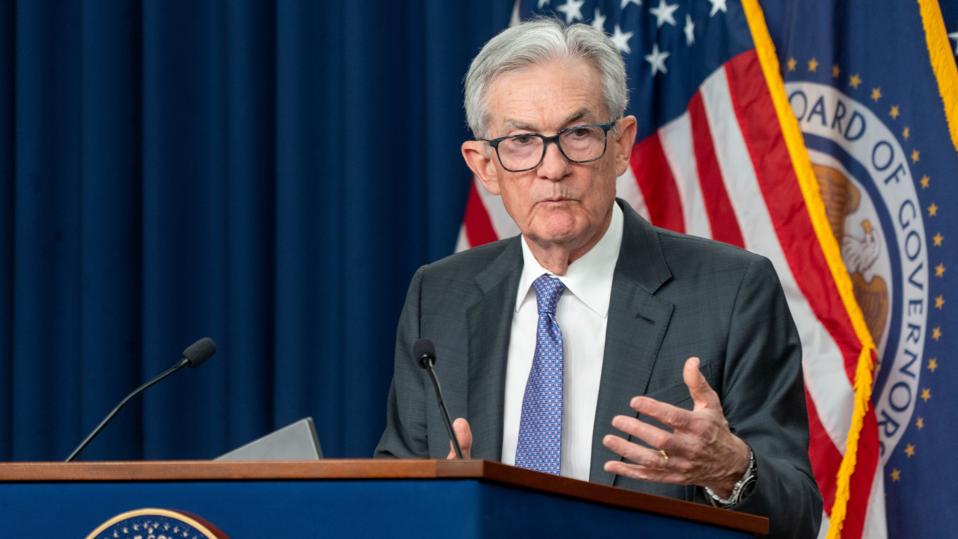
12th January 2026- Federal Reserve Chair Jerome Powell says the Department of Justice crossed a dangerous line. In a rare video statement on January 11, 2026, Powell revealed that prosecutors threatened criminal charges tied to his past congressional testimony, a development now widely described as the Powell DOJ investigation. He described the move as political retaliation for resisting pressure to cut interest rates faster. As a result, Fed independence under fire has become a central concern for markets and policymakers.
High Signal Summary For A Quick Glance

Forbes
@Forbes

DOJ Opens Criminal Investigation Into Fed Chair Powell—He Vows To Stand Firm In ‘Face Of Threats’ https://t.co/qZlslHeEzx https://t.co/4AznQ2nQMC
04:35 AM·Jan 12, 2026

ABC News
@ABC
In an extraordinary escalation of a months-long attack on the independence of the Federal Reserve, federal prosecutors have launched a criminal investigation into Federal Reserve Chair Jerome Powell, he confirmed in a statement Sunday night. https://t.co/xdzEjuK0pZ https://t.co/WPWSvB8hMF

01:32 AM·Jan 12, 2026

NBC News
@NBCNews
BREAKING: DOJ opens a criminal probe of the Federal Reserve, which Chair Jerome Powell condemns as "intimidation." https://t.co/BrMpiQ88qE
12:54 AM·Jan 12, 2026
The dispute centers on the Federal Reserve’s $2.5 billion headquarters renovation in Washington, D.C. Initial estimates near $1.9 billion rose due to inflation, asbestos removal, soil issues, and complex historic preservation requirements tied to the aging structure.
In June 2025, Powell defended the project during Senate testimony. He rejected claims of luxury excess and said the cost increases reflected unavoidable construction realities rather than mismanagement or deception.
Tensions escalated as frustration grew inside the White House. President Donald Trump repeatedly pushed for aggressive rate cuts to boost growth, clashing with the Fed’s slower, data-driven approach.
By January 9 and 10, 2026, the DOJ served grand jury subpoenas connected to Powell’s testimony. Officials framed the probe around alleged misstatements, but many analysts see it as a pretext to pressure the central bank.
This marks a sharp break from precedent. Past presidents criticized the Fed, yet none weaponized criminal tools to influence monetary policy, making the Powell DOJ investigation especially alarming for institutional norms.
Key milestones related to this development
Donald Trump repeatedly and publicly pushes for aggressive interest rate cuts to boost economic growth, clashing with the Federal Reserve’s slower, data-driven approach to monetary policy.
Jerome Powell testifies before the Senate Banking Committee, defending the Fed’s $2.5B headquarters renovation. He rejects claims of luxury excess, citing inflation, asbestos removal, and historic preservation as unavoidable cost drivers.
Trump tours the Federal Reserve renovation project alongside Powell, publicly highlighting cost overruns and reiterating calls for lower interest rates.
Administration officials accuse Powell of fiscal mismanagement tied to the renovation. A congressional referral alleges false testimony, with investigation authorization reportedly occurring around November 2025.
The Department of Justice serves grand jury subpoenas to the Federal Reserve, threatening criminal indictment related to Powell’s June 2025 testimony. Analysts widely view the move as a pretext to pressure monetary policy.
Powell publicly reveals the DOJ subpoenas, calling the action unprecedented and a pretext tied to the Fed’s refusal to follow presidential rate preferences. He vows to defend Fed independence.
The next Fed meeting may consider pausing recent rate cuts amid uncertainty, while the DOJ probe could escalate and trigger congressional pushback over Fed autonomy.
Powell’s term officially expires. Trump is expected to nominate a successor aligned with lower-rate preferences, intensifying political pressure on the Federal Reserve.
Markets responded quickly once Powell made the threat public. The U.S. dollar weakened as traders priced in rising political risk, while gold climbed as investors sought safe havens.
Equity futures also slipped as concerns grew about institutional credibility. Investors now worry that political pressure could distort future rate decisions and weaken policy signaling.
The timing adds to the unease. The Fed meets later in January, and many expect a pause in recent rate cuts. Ongoing tension only deepens uncertainty around that decision.
History offers a reference point. During public attacks on the Fed in 2018 and 2019, markets sold off briefly before stabilizing. Current price action shows similar early signals, though the legal dimension raises the stakes.
Powell’s term as chair ends in May 2026, and Trump is expected to nominate a replacement aligned with lower-rate preferences. That timeline increases pressure on both the Fed and financial markets.
The investigation could stretch into Powell’s final months in office. Even without formal charges, legal uncertainty may influence decision-making or public perception of Fed independence.
Powell says he will defend the institution and its mandate, but analysts warn that the Powell DOJ investigation could drive higher volatility if political interference intensifies.
Our Crypto Talk is committed to unbiased, transparent, and true reporting to the best of our knowledge. This news article aims to provide accurate information in a timely manner. However, we advise the readers to verify facts independently and consult a professional before making any decisions based on the content since our sources could be wrong too. Check our Terms and conditions for more info.



Crypto Market Adds $150B+ After Jane Street Lawsuit
CrowdWalrus Goes Live Introducing Crowdfunding to Sui
MegPrimePay Token launching on 26th Feb On Uniswap & Coinbase DEX
BBRL Polygon Launch: Banco Braza Expands BRL Stablecoin
Crypto Market Adds $150B+ After Jane Street Lawsuit
CrowdWalrus Goes Live Introducing Crowdfunding to Sui
MegPrimePay Token launching on 26th Feb On Uniswap & Coinbase DEX
BBRL Polygon Launch: Banco Braza Expands BRL Stablecoin