Loading Search...


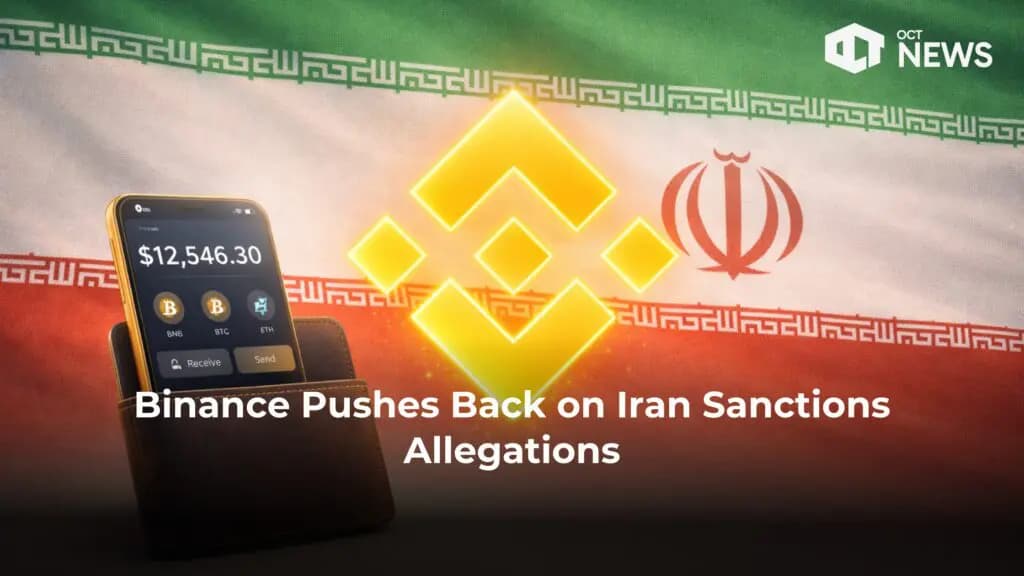
Binance Iran sanctions allegations resurface as the exchange clarifies intermediary fund flows, compliance actions, and regulatory risks.

Author: Kritika Gupta
Steady attention without excessive speculation.
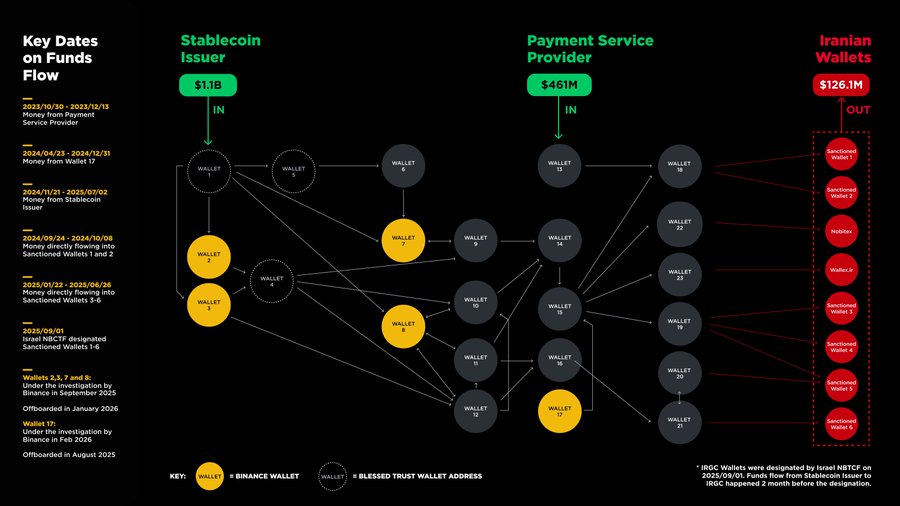
17th March 2026- The latest developments around Binance Iran sanctions allegations have drawn renewed attention to compliance risks in the cryptocurrency sector. Binance has issued a detailed statement rejecting claims that it widely facilitated fund transfers to Iranian entities, including the Islamic Revolutionary Guard Corps. The exchange explained that only about $126.1 million ultimately reached Iran linked wallets after passing through multiple intermediaries. Moreover, roughly $24.1 million of that total connected to addresses associated with the IRGC. Binance stressed that none of the disputed funds originated from or ended on its platform. As a result, the company framed its actions as evidence of proactive compliance amid rising regulatory scrutiny tied to Binance Iran sanctions allegations.
High Signal Summary For A Quick Glance

The Crypto Times
@CryptoTimes_io

🚨BIG: @binance denies allegations of direct 🇮🇷 Iran-linked fund flows. • Says no funds originated or settled on Binance • ~$126M reportedly moved via intermediaries • ~$24M linked to IRGC-associated wallets • Rejects $1.7B direct flow claims as inaccurate Binance calls https://t.co/yXSffD7KUo
05:23 AM·Mar 17, 2026

Cryptopolitan
@CPOfficialtx
JUST IN: Binance disputes reports on Iran-linked crypto flows. Saying $126M that reached Iranian wallets moved through intermediaries, not the Binance platform... and that related accounts were offboarded and reported to authorities. https://t.co/lJBzcT6xB5
08:26 PM·Mar 16, 2026
Media coverage from outlets such as The Wall Street Journal, The New York Times, and Fortune in February 2026 triggered the latest controversy. These reports cited internal investigative findings that suggested about $1.7 billion in flows moved through exchange linked accounts toward Iran related networks. Furthermore, the coverage pointed to alleged ties to militant groups such as the Houthis. Some reports also claimed that compliance staff faced dismissal or marginalization after raising concerns. As a result, U.S. Senator Richard Blumenthal initiated a Senate inquiry while the Department of Justice reportedly opened a probe into possible sanctions evasion.
In response, Binance published a blog post on March 10, 2026 and later filed a defamation lawsuit against The Wall Street Journal. The exchange argued that journalists misinterpreted complex blockchain transaction paths and overstated its role in the flows. This episode follows earlier compliance challenges. In November 2023, Binance pleaded guilty to violating anti money laundering and sanctions laws in the United States.
At that time, crypto markets reacted with short term volatility. Binance’s native token BNB fell by several percentage points as investors assessed regulatory risks. However, markets later stabilized as the exchange strengthened compliance controls and participants adjusted to tighter oversight.
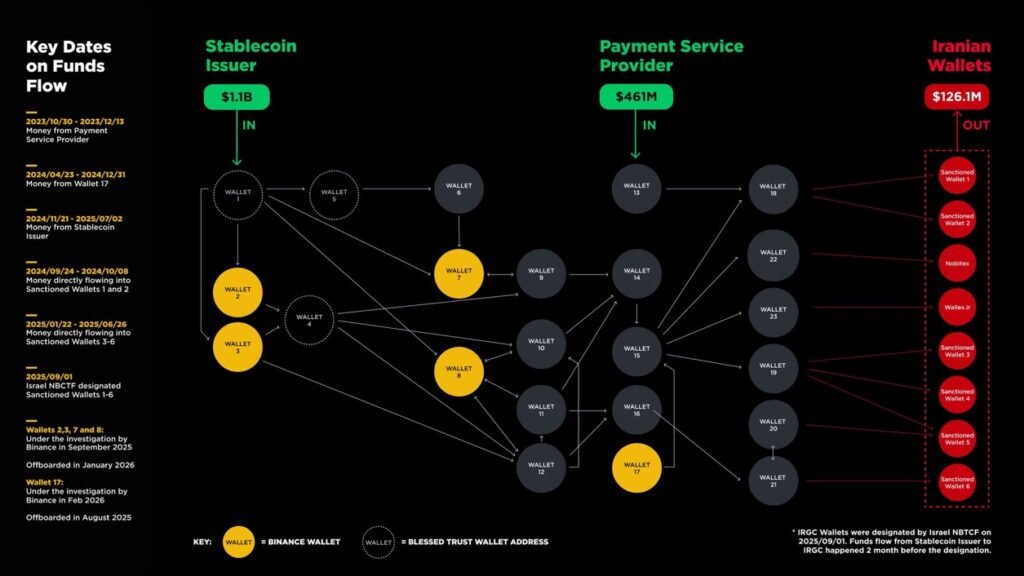
In its latest statement, Binance addressed four key media claims. First, the exchange explained that investigators traced the disputed funds to a regulated stablecoin issuer and a Singapore based payments provider. Subsequently, the assets moved through intermediary wallets that may have shared common control. These transfers occurred across multiple blockchain hops outside Binance’s infrastructure.
After completing its investigation, Binance identified links to entities such as Blessed Trust and Hexa Whale. The company then offboarded the related accounts and coordinated with law enforcement agencies. In addition, Binance highlighted that it processed more than 71,000 law enforcement requests in 2025. It also reported a 96.8 percent reduction in sanctions related exposure during the year.
This situation has revived debate about Binance’s compliance progress since the 2023 settlement. On one hand, the exchange continues to operate under U.S. monitorship and states that it spends about $200 million annually on compliance. On the other hand, ongoing Department of Justice scrutiny and the Senate probe could lead to additional investigations or penalties if authorities uncover new evidence.
For the wider crypto sector, the episode highlights ongoing difficulties in tracing layered blockchain transactions and enforcing sanctions rules in decentralized systems. BNB showed modest volatility after the latest headlines, falling around 1 to 2 percent.
Our Crypto Talk is committed to unbiased, transparent, and true reporting to the best of our knowledge. This news article aims to provide accurate information in a timely manner. However, we advise the readers to verify facts independently and consult a professional before making any decisions based on the content since our sources could be wrong too. Check our Terms and conditions for more info.