Loading Search...


FTX to distribute $2.2B to creditors on March 31, raising questions about how much capital could return to crypto markets.

Author: Akshat Thakur
Steady attention without excessive speculation.
March 19, 2026 FTX to distribute $2.2B to creditors on March 31, marking the fourth major payout since the exchange collapsed in 2022. Eligible users who completed onboarding will receive funds through BitGo, Kraken, or Payoneer within one to three business days.
High Signal Summary For A Quick Glance

Ash Crypto
@AshCrypto

BREAKING: FTX just announced its fourth distribution of $2.2 billion to creditors on March 31st. These are people who have been waiting over 3 years to get their funds back. Many of them are crypto natives who lost everything in the 2022 collapse. The question the market is https://t.co/fpOwFmOkpe
05:36 PM·Mar 18, 2026

BeInCrypto
@beincrypto
FTX Recovery Trust scheduled to distribute approximately $2.2 billion to creditors on March 31, 2026. This marks the fourth phase of payouts for FTX customers. https://t.co/6tJFLOlFqK

04:51 PM·Mar 18, 2026

BecauseBitcoin.com
@BecauseBitcoin
[PRN] FTX Recovery Trust Announces $2.2 Billion Fourth Distribution to Creditors Scheduled for March 31, 2026 https://t.co/kIUdMrlDo5

04:33 PM·Mar 18, 2026
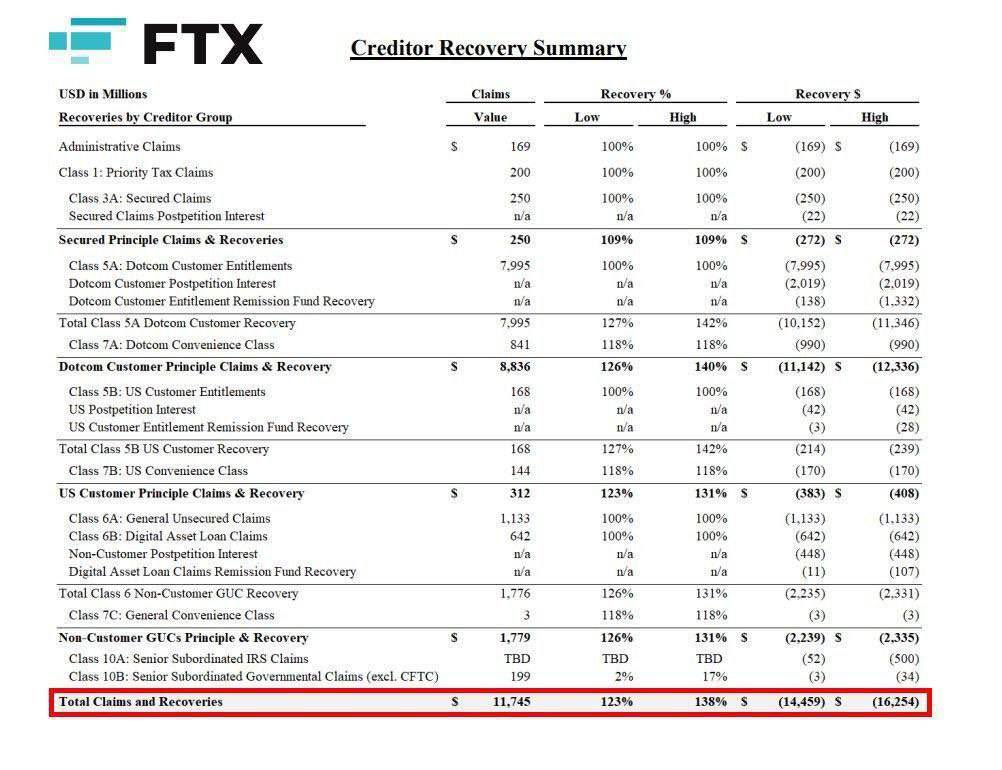
The FTX Recovery Trust confirmed the upcoming distribution as part of its ongoing repayment process. This round alone totals roughly $2.2 billion. Recipients will receive USD, not crypto. The trust will send funds directly through selected providers, leaving creditors to decide how to deploy that capital.
Some claim categories are nearing full recovery. Dotcom customer claims, for example, will receive an additional 18 percent in this round, bringing total recovery close to 96 percent. Once this distribution completes, total repayments will approach $10 billion.
FTX filed for Chapter 11 bankruptcy in November 2022 after its sudden collapse exposed misuse of customer funds and internal failures.
The fallout triggered one of the largest crises in crypto history. Billions in user funds disappeared overnight, and confidence across the market took a major hit.
Since then, the estate has rebuilt value through asset recovery, legal actions, and favorable market conditions. Bitcoin and other holdings recovered significantly from their 2022 lows, helping improve creditor outcomes.
A court-approved plan in October 2024 introduced structured payouts based on asset values at the time of collapse. This means many creditors receive full or near-full recovery in dollar terms, even if crypto prices have since moved higher.
This distribution introduces fresh liquidity into the market at a sensitive time. Many creditors were active crypto participants before the collapse. Some will likely re-enter the market, especially if they see current prices as attractive compared to 2022 levels.
Estimates vary. Early discussions suggested that 40 to 60 percent of funds from previous rounds flowed back into Bitcoin and Ethereum within a month. However, other analysis tells a different story.
Research from K33 indicates that closer to 15 percent of those funds actually returned to crypto, largely because many claims were bought by institutional players who prefer cash returns. The truth likely sits somewhere in between. But even a partial reallocation from $2.2 billion can influence market liquidity.
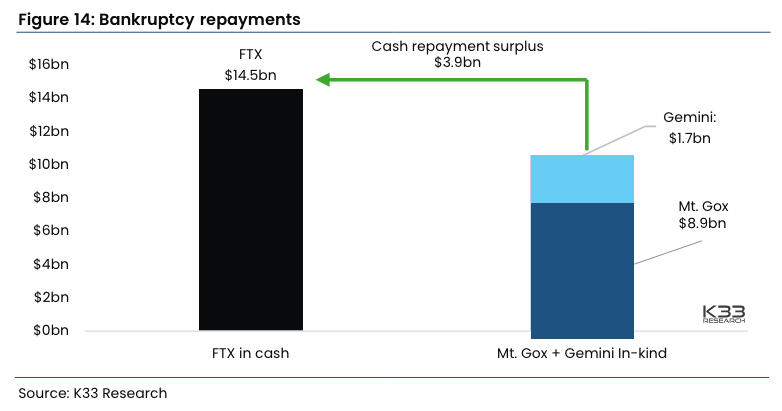
Source: K33 Research
The process follows a structured, court-supervised system. Creditors who completed KYC, tax requirements, and onboarding steps qualify automatically. On March 31, the trust initiates USD transfers through BitGo, Kraken, or Payoneer. Most recipients should receive funds within a few business days.
Different claim categories receive different payouts. Some convenience classes exceed full recovery, while others continue to receive incremental distributions. The trust has also issued repeated warnings about phishing attempts, urging users to verify all communication before taking action.
FTX to distribute $2.2B is not just a recovery milestone. It is also a liquidity event. Crypto markets remain sensitive to capital flows. Even modest reinvestment from this pool could support prices in the short term.
At the same time, large portions of the funds may never return to crypto, especially if institutional claim holders choose to exit. The outcome depends less on the size of the payout and more on who controls it.
For now, March 31 marks another step in closing one of crypto’s most significant chapters. What follows will show whether that capital returns to the market or stays on the sidelines.
Our Crypto Talk is committed to unbiased, transparent, and true reporting to the best of our knowledge. This news article aims to provide accurate information in a timely manner. However, we advise the readers to verify facts independently and consult a professional before making any decisions based on the content since our sources could be wrong too. Check our Terms and conditions for more info.