Loading Search...


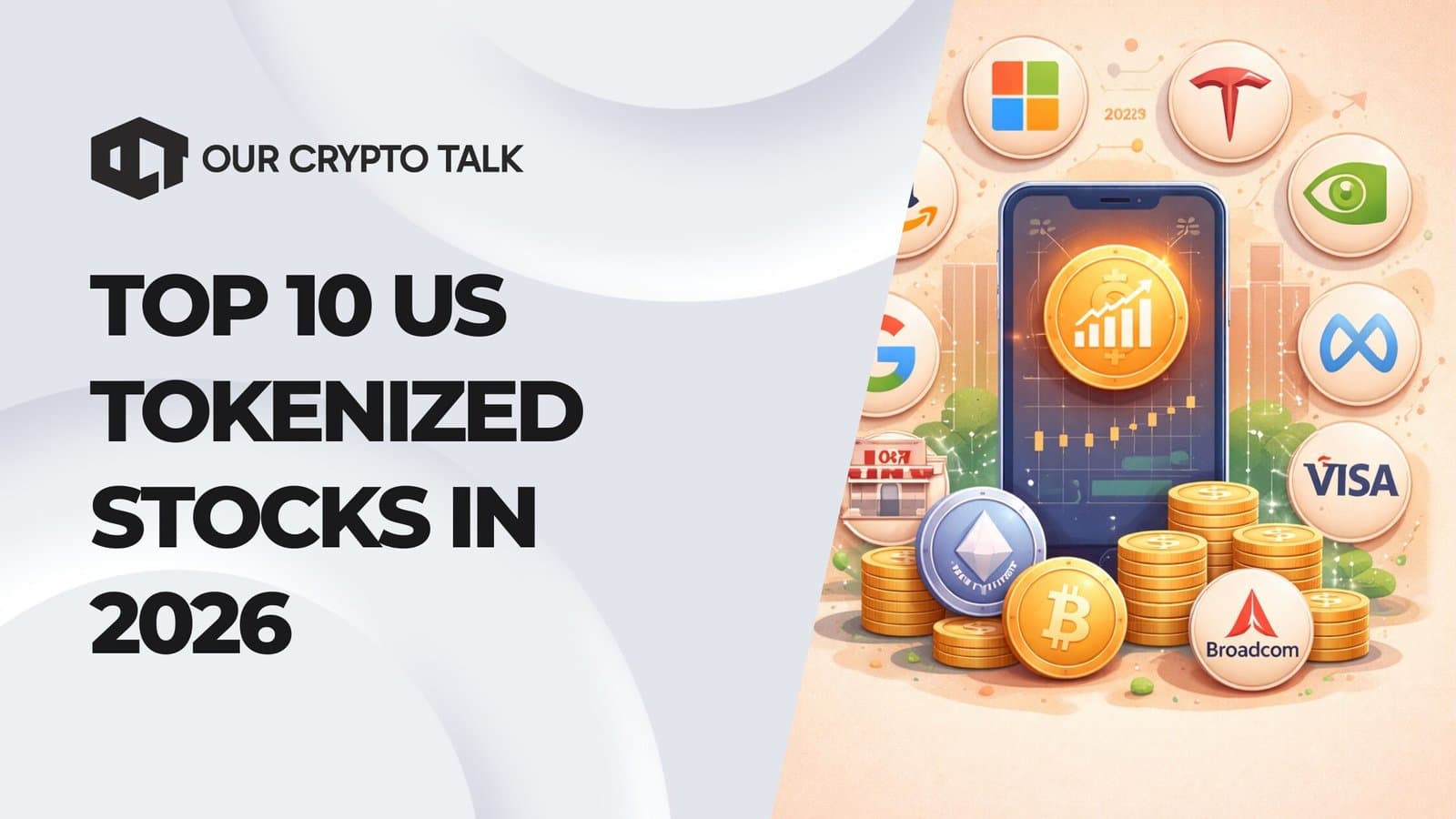
Explore the top 10 US tokenised stocks for 2026, why tokenized equities matter, key risks, and what this trend means for crypto investors.

Author: Kritika Gupta
Tokenized stocks have emerged as a groundbreaking fusion of traditional equity markets and blockchain technology in the rapidly evolving landscape of finance. These digital assets represent ownership in underlying shares of U.S. companies, encoded as tokens on decentralized ledgers like Ethereum or specialized platforms. Unlike conventional stocks traded on exchanges with limited hours, tokenized versions enable 24/7 global access, fractional ownership, and instantaneous settlements using stablecoins.
As of early 2026, the tokenized asset market has surged past $36 billion in value, with projections from firms like Ark Invest estimating growth to $11 trillion by 2030. This boom is driven by institutional adoption, regulatory clarity from bodies like the SEC, and innovations from platforms such as the NYSE’s new tokenized securities venue. For investors, tokenized stocks democratize access to high-growth U.S. companies, reducing barriers for retail participants worldwide. In this article, we explore the top 10 U.S. tokenized stocks poised to dominate in 2026, highlighting their potential amid AI-driven transformations, economic shifts, and blockchain integration.
The rise of tokenized stocks is not just a tech fad. Instead, it marks a structural shift that targets major inefficiencies in legacy finance. In 2026, global markets face ongoing volatility from geopolitical tensions, inflation pressure, and rapid technological disruption. Because of that, tokenized stocks offer clear advantages that traditional equities cannot match.
First, tokenized stocks enable 24/7 trading. This removes the limitation of the NYSE’s 9:30 AM to 4 PM window. As a result, investors in Asia and Europe can react instantly to earnings, macro headlines, and policy shifts. Platforms like INX, Vest Markets, and the newly announced NYSE tokenized venue support this model by using blockchain rails for global settlement.
Second, fractional ownership lowers entry barriers. In early 2026, Nvidia trades above $200, which locks many retail investors out of meaningful participation. However, tokenization breaks a single share into micro-units, letting everyday traders build exposure with small capital. This matters more now because wealth gaps continue widening. Therefore, tokenized equities could unlock new demand from emerging markets and convert sidelined capital into real participation.
Third, blockchain improves efficiency and transparency. Traditional settlement still runs on T+2, which increases friction and cost. In contrast, on-chain settlement moves closer to instant finality. That reduces counterparty risk while improving capital efficiency. Reports also suggest settlement-related costs could drop sharply, with estimates of up to 90% in savings. Smart contracts can also automate dividends and shareholder voting, which reduces reliance on intermediaries and lowers fraud risk.
At the same time, tokenized stocks fit 2026’s dominant narratives. AI, energy infrastructure, and advanced automation continue expanding. Because these sectors move fast, investors want markets that let them reposition quickly. Tokenized equities align with that reality by improving trading flexibility and portfolio responsiveness.
Moreover, regulatory tailwinds support the trend. The SEC’s “Project Crypto” and a potential Innovation Exemption in 2026 push tokenized equity experimentation further into the mainstream. In parallel, firms like Coinbase and Robinhood continue expanding tokenized offerings and distribution. Analysts also expect tokenized stocks to reach hundreds of billions in value, supported by bank activity such as JPMorgan’s tokenized deposit expansion.
Drawing from Wall Street projections, market trends, and tokenization platforms’ data, here are the top 10 U.S. tokenized stocks expected to shine in 2026. These picks focus on companies with strong fundamentals and major exposure to AI, cloud computing, e-commerce, payments, and healthcare. At the same time, they reflect which assets fit tokenization best due to liquidity, brand recognition, and global demand. Platforms like Kraken, Bybit, and the NYSE’s emerging venue already offer or plan tokenized versions, which could accelerate adoption and deepen liquidity.

Nvidia remains the clear leader in AI compute infrastructure. Its GPUs sit at the center of training and inference across major AI systems, including data centers, robotics, and autonomous driving. In 2026, analysts project Nvidia could push toward $250 as Blackwell chips drive the next demand cycle. The market continues pricing Nvidia as the purest “AI picks and shovels” play.
Tokenization strengthens Nvidia’s appeal even further. On platforms like Vest Markets, tokenized NVDA allows 24/7 trading, which helps investors react in real-time to major AI headlines and earnings surprises. Fractional ownership also expands access, since traders can buy micro-exposure instead of paying for a full share.
In addition, Nvidia tokens could become high-grade collateral in DeFi systems. If tokenized assets scale toward multi-trillion growth, Nvidia likely captures meaningful TVL because institutions already treat it as core infrastructure. Still, Nvidia trades at aggressive multiples, so valuation risk remains. However, AI adoption continues accelerating, keeping Nvidia positioned as a top tokenized winner in 2026.

Microsoft offers one of the strongest combinations of growth and stability in U.S. equities. It dominates enterprise software while scaling Azure in the cloud wars. In addition, Copilot adoption pushes Microsoft deeper into AI monetization. Wall Street targets imply meaningful upside into 2026, powered by enterprise AI deployment cycles.
Tokenization fits Microsoft well because investors treat it as a global “safe tech” asset. A tokenized MSFT version on platforms like Coinbase or INX enables faster settlement and broader access. That matters for global investors who want exposure to U.S. innovation but face broker limitations.
Furthermore, smart contract automation adds a practical edge. Tokenization can make dividend distribution faster and more transparent. It can also allow programmable compliance layers that regulators prefer. Since most enterprises plan to adopt tokenized assets in 2026, Microsoft’s scale and brand make it a natural candidate. Its recurring revenue moat provides downside support, while OpenAI-linked upside keeps growth alive.

Amazon remains dominant across both e-commerce and cloud infrastructure. While its consumer business provides reach, AWS generates high-margin profit and anchors its valuation. In 2026, Amazon’s upside comes from AI-optimized logistics, improving operating leverage, and continued ad revenue growth. That gives AMZN multiple growth engines in one asset.
Tokenized Amazon shares unlock broader participation. Platforms like Robinhood and Bitbond could offer tokenized AMZN exposure with fractional purchases, letting retail investors accumulate positions without needing large capital. That matters because Amazon sits above many investors’ affordability threshold.
Additionally, blockchain logic aligns with parts of Amazon’s operational stack. Supply chain transparency and digital commerce infrastructure could integrate with tokenized settlements over time. As RWA tokenization expands, Amazon likely benefits due to brand trust, massive cash flow, and worldwide relevance. Still, antitrust risk remains a key factor. However, Amazon continues innovating, which supports demand for tokenized versions.

Broadcom plays a critical role in modern infrastructure. It benefits directly from AI expansion, networking upgrades, and 5G buildout. In 2026, analysts expect Broadcom to rise further as hyperscalers spend aggressively on networking chips. At the same time, Broadcom’s VMware integration strengthens its software exposure and recurring revenue profile.
Tokenizing AVGO makes sense because of its strong institutional demand and infrastructure positioning. On platforms like Securitize or the NYSE’s tokenized venue, investors could access AVGO with faster settlement and global liquidity. That becomes more relevant as chip cycles grow more volatile, since 24/7 market access improves responsiveness.
Broadcom also pays dividends, which makes it attractive in on-chain yield strategies. Smart contracts could automate dividend delivery and even route distribution into DeFi structures. If tokenization scales, Broadcom becomes a core “infrastructure collateral” asset.

Alphabet enters 2026 with strong rebound potential. While it faced slower momentum in parts of 2025, the AI cycle pushes Alphabet back into focus across Search, YouTube, and Google Cloud. Ad recovery combined with AI-driven efficiency could lift margins. Meanwhile, Google Cloud continues scaling as enterprise demand expands.
Tokenized GOOGL trading fits a crypto-native audience. Platforms like Kraken could support tokenized Alphabet exposure with 24/7 liquidity. That matters because major YouTube or AI product news often breaks outside U.S. market hours.
Blockchain also adds value through verification. In theory, tokenization tools can help validate ad data and reduce fraud, which directly supports Alphabet’s revenue model. Fractional ownership also enables creators and international users to gain exposure more easily. In addition, Alphabet’s moonshots like Waymo add speculative upside. That makes tokenized Alphabet a strong diversified pick.

Meta continues scaling its ad business through AI optimization. It monetizes attention at unmatched scale through Facebook, Instagram, and WhatsApp. In 2026, its narrative expands into VR and AR as the metaverse strategy matures. Even if metaverse adoption remains uneven, Meta generates strong cash flow and supports growth through buybacks.
Tokenized META versions support global accessibility. Investors can trade around major product launches and macro shifts without waiting for U.S. market hours. Platforms like Vest Markets could also tie tokenized META assets into metaverse-related integrations, where virtual commerce overlaps with token systems.
Moreover, smart contracts can enable automated payout structures for creators and ecosystem participants. As tokenized RWAs grow, META likely sits among the most liquid and widely traded tokenized assets.

Tesla remains one of the highest volatility and highest upside stocks in global markets. In 2026, the biggest catalyst is autonomy. If robotaxi rollouts accelerate, Tesla could add a large recurring revenue stream. Even after recent weakness, analysts still see strong upside due to EV leadership and energy storage expansion.
Tokenized TSLA amplifies Tesla’s accessibility and trading intensity. Platforms like Bybit already cater to crypto traders who prefer 24/7 exposure. Tokenization allows fractional ownership and integrates Tesla into on-chain strategies. Traders can treat TSLA as “equity volatility alpha” inside crypto-like systems.
Additionally, blockchain-linked data systems could improve transparency for Tesla’s energy networks and fleet data. Tesla remains risky because sentiment swings hard. However, in a tokenized framework, that volatility attracts liquidity rather than deterring it.

Visa offers the most direct bridge between TradFi payments and crypto settlement rails. It runs the core infrastructure that processes global digital spending. In 2026, Visa benefits from continued growth in digital payments, cross-border transactions, and stable consumer demand. It also keeps a strong defensive profile due to high margins and network effects.
Tokenized Visa shares fit the RWA trend. If platforms issue tokenized V exposure via Polymath or similar systems, investors gain programmable equity participation tied to the future of payments. Visa also aligns with stablecoin settlement growth. As stablecoins become a real payment rail, Visa’s relevance expands rather than shrinks.
Because Visa generates consistent cash flow, tokenized forms also become attractive for yield and collateral use. Fractional ownership makes Visa accessible to emerging markets, which strengthens global exposure.

Costco delivers stability through its membership model. That matters in uncertain macro conditions. Consumers cut discretionary spending, but Costco tends to retain loyalty due to pricing power and trust. Therefore, Costco works as a low-volatility anchor in portfolios.
Tokenized COST gives international investors easier access to the stability trade. Platforms like Harbor could list tokenized Costco exposure, making it available globally with faster settlement. In addition, blockchain transparency can strengthen supply chain integrity narratives, especially for food and consumer goods.
Costco does not carry the explosive upside of AI names. However, it offers defensive strength, which becomes valuable if 2026 volatility persists.

Merck provides a healthcare defensive play with strong growth catalysts. Its pipeline and blockbuster products like Keytruda support long-term revenue strength. In 2026, healthcare demand remains structurally strong due to aging demographics and rising medical spend.
Tokenized Merck shares appeal to investors seeking stability and biotech upside. Platforms like ADDX could support tokenized healthcare exposure, enabling fractional access and global distribution. Tokenization also supports innovation funding narratives. For example, it can make R&D-linked investment models more flexible.
Blockchain can also help secure data integrity in areas like patents, clinical trial records, and licensing systems. As healthcare continues digitizing, Merck fits naturally into tokenization expansion.
Tokenized stocks carry major advantages, but investors must understand the risks clearly. First, 24/7 trading increases volatility. Markets can move aggressively overnight with no circuit breakers, similar to crypto. Because of that, flash crashes can hit harder than in traditional equities.
Second, regulatory uncertainty remains a serious issue. The SEC continues shaping its stance on tokenized equities. If regulators tighten rules, platforms may delay launches, restrict access, or delist products. That creates risk for investors relying on specific venues.
Third, security threats remain real. Tokenized stocks rely on custody infrastructure, smart contracts, and platform solvency. Hacks, exploits, or exchange collapses can still wipe out holdings. Past failures in crypto markets prove counterparty risk never disappears.
Liquidity also varies widely. Large tokenized stocks may trade smoothly, but smaller offerings can suffer from wide spreads and poor market depth. In addition, synthetic token structures can create tracking errors. If the token does not perfectly match underlying equity pricing, distortions can emerge.
Tokenized stocks stand at the forefront of 2026’s financial evolution. They combine the proven strength of leading U.S. companies with blockchain’s core advantages. Nvidia benefits from AI infrastructure dominance. Microsoft anchors enterprise AI and cloud resilience. Amazon continues expanding its e-commerce and AWS ecosystem. Tesla stays positioned as the highest upside autonomy and EV play. When these assets move on-chain, investors gain 24/7 access, fractional ownership, faster settlement, and deeper liquidity.
Looking ahead, the tokenized real-world asset sector could expand sharply in 2026. Forecasts range widely, but momentum points upward due to institutional adoption, platforms like the NYSE’s tokenized securities venue, and improving regulatory clarity. As more financial assets migrate on-chain, tokenized stocks will likely become one of the most important bridges between TradFi and DeFi.