Loading Search...


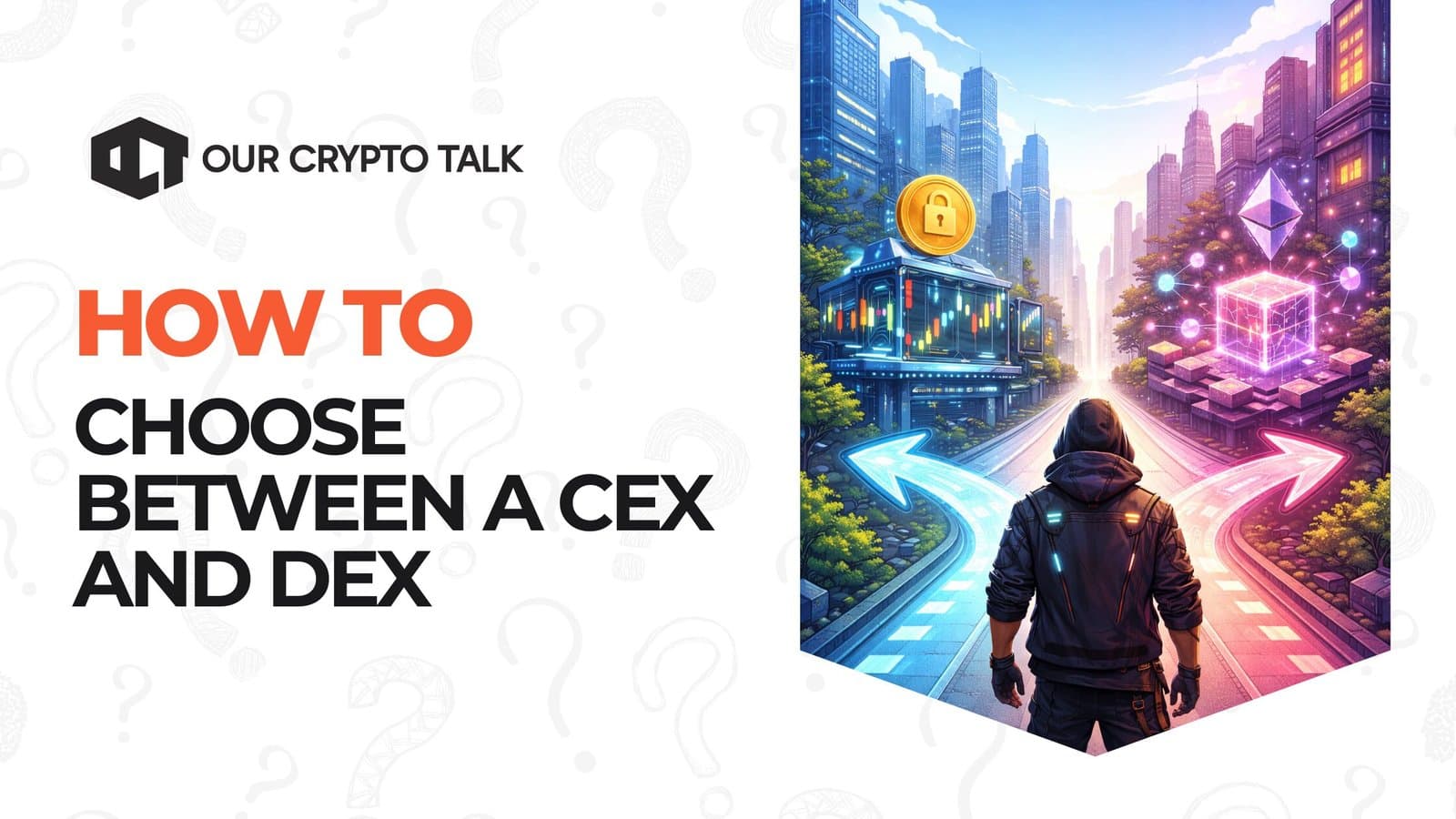
Learn how to choose between a CEX and DEX with clear explanations, step by step guidance, real examples and common mistakes to avoid.

Author: Arushi Garg
If you are new to crypto, one of the first confusing choices is deciding where to trade and how to choose between a CEX and DEX. People often hear about centralized exchanges and decentralized exchanges, then feel stuck. Both seem useful. Both seem risky in different ways. And most guides either overcomplicate things or assume you already know how everything works .
This guide is here to slow things down.
You will learn how to choose between a CEX and DEX based on what you actually need, not hype or opinions. We will walk through what each option really is, why the difference matters, and how to use them step by step. You will also see common mistakes beginners make and how to avoid them.
By the end, you should feel clear. You should know which option fits your situation today, and when it might make sense to switch later.
A CEX, or centralized exchange, is a crypto trading platform operated by a company. When you use a CEX, you create an account with a username, password, and usually complete identity verification. The platform stores your crypto on your behalf and manages the technical side of trading.
You place buy or sell orders through their website or mobile app, similar to how online stock trading platforms work. Examples of well-known CEXs include Binance and Coinbase. These platforms handle security, customer support, and transaction processing, which can make them easier for beginners.
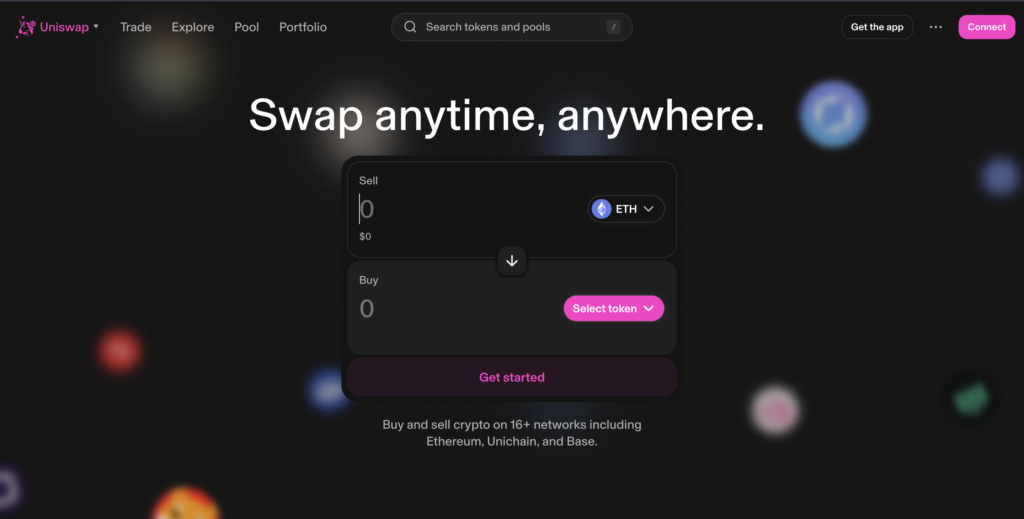
A DEX, or decentralized exchange, works differently . It does not require you to create an account or hand control of your funds to a company. Instead, you connect a personal crypto wallet and trade directly from it.
The exchange runs on smart contracts, which are programs on the blockchain that automatically execute trades. Platforms like Uniswap or PancakeSwap are common examples. You stay in control of your crypto at all times, and trades happen directly between wallets.
In simple terms, a CEX acts as a trusted middleman that holds your crypto for you. A DEX removes the middleman and lets you hold and manage your crypto yourself.
Understanding how to choose between a CEX and DEX matters because it directly affects how you buy, store, and manage your crypto. The tools may look similar on the surface, but the experience and risks are very different.
A CEX is usually easier when you are starting out. The layout feels familiar, like a banking or trading app. You can log in with an email, reset your password if needed, and contact support if something goes wrong. CEXs also make it simple to convert fiat money like INR or USD into crypto using cards or bank transfers. If your goal is quick access, low effort, and fewer technical steps, a CEX removes a lot of friction.
A DEX focuses on control rather than convenience. Your crypto stays in your own wallet at all times, and every trade is recorded on the blockchain. This means you are not relying on a single company to hold or move your funds. DEXs also allow access to a wider range of tokens, especially newer or niche assets that may not pass centralized listing rules. For users who value ownership and transparency, this is a major advantage.
The trade-off is responsibility. On a DEX, there is no account recovery, no customer support, and no way to reverse a transaction. If you send funds to the wrong address or approve a risky contract, the outcome is final. You must manage your wallet, private keys, and security practices yourself.
Choosing between a CEX and DEX comes down to comfort level, control, and purpose. Some people prioritize simplicity and support. Others prioritize ownership and flexibility. Many users start with a CEX and gradually add a DEX as their confidence grows.
Ask one clear question.
Are you buying crypto for the first time, or swapping tokens you already own?
If it is your first buy using fiat money, a CEX is usually the better start.
Preferred CEX: Binance, Coinbase, Kraken

If you already have crypto in a wallet, a DEX may make more sense.
Preferred DEX: Uniswap, PancakeSwap, Jupiter (Solana)
For a CEX, you will need to sign up and complete identity verification.
For a DEX, you only need a wallet like MetaMask or Trust Wallet.
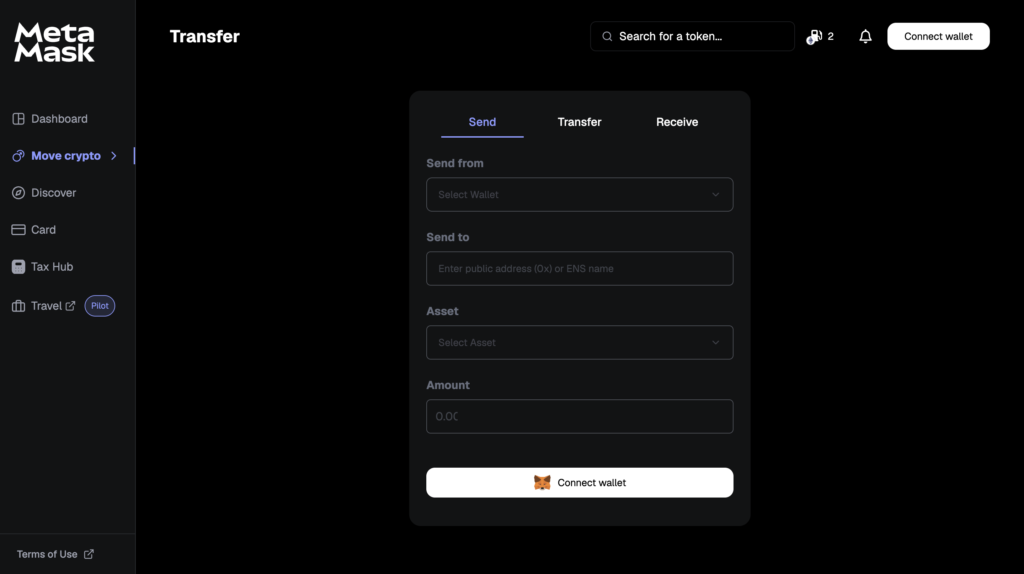
If you are not comfortable sharing ID yet, this affects how to choose between a CEX and DEX.
CEXs list popular and vetted tokens.
Preferred CEX: Coinbase for tokens

DEXs list almost everything, including new or experimental tokens.
If you want safety and familiarity, lean toward a CEX.
If you want early access, a DEX is often required.
CEXs charge trading fees and sometimes withdrawal fees.
DEXs charge gas fees paid to the network.
If you are trading small amounts, high gas fees on a DEX can matter more.
On a CEX, the platform manages security.
On a DEX, you manage your private keys.
If losing access would cause stress, start with a CEX. You can move later.
It is okay to begin with the easiest option. Many people start on a CEX because it removes technical steps and feels familiar. You are not locking yourself into one choice forever. As you gain experience, you can explore a DEX later without pressure.
Centralized exchanges are usually the simplest way to convert fiat money like INR or USD into crypto. They are also helpful for learning basic actions such as buying, selling, and checking balances. This makes a CEX a practical starting point for most beginners.
A decentralized exchange makes sense once you understand how wallets work and how to protect your private keys. At this stage, you may care more about holding your own assets and accessing a wider range of tokens. A DEX supports this level of independence.
Before moving large sums, always test with a small transaction. This applies to both CEX withdrawals and DEX swaps. Small tests help you confirm addresses, fees, and settings without high risk.
Crypto transactions are final. Take a moment to review addresses, fees, and approvals before clicking confirm. Slowing down reduces mistakes and builds confidence over time.
Following these best practices helps reduce risk and stress. They make the process of choosing between a CEX and DEX clearer, safer, and easier to manage as you learn.
Follow these steps calmly, double-check your actions, review your wallet habits often, and use our website guides for clear tools and walkthroughs to manage your crypto with confidence.



AI Agent Payments Explained: Circle Nanopayments and the x402 Protocol
Top 7 Projects in the World Liberty Financial (WLFI) Portfolio
Where Crypto Actually Makes Money in 2026?
What If Satoshi Nakamoto Was Here in 2026?
AI Agent Payments Explained: Circle Nanopayments and the x402 Protocol
Top 7 Projects in the World Liberty Financial (WLFI) Portfolio
Where Crypto Actually Makes Money in 2026?
What If Satoshi Nakamoto Was Here in 2026?