Loading Search...


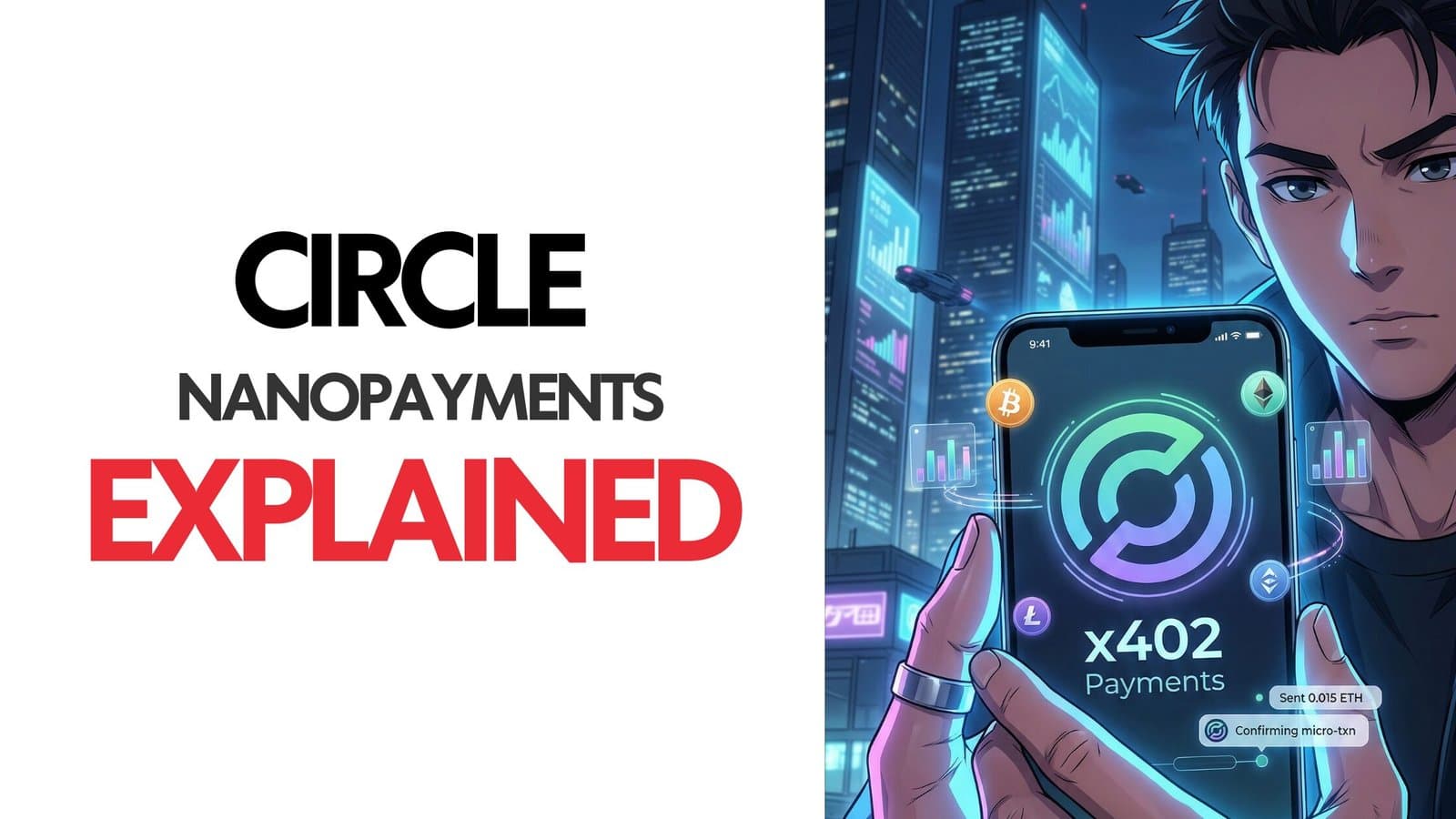
AI agent payments explained: how Circle Nanopayments and the x402 protocol enable autonomous machine-to-machine micropayments using USDC.

Author: Tanishq Bodh
AI agent payments explained simply: blockchain transactions have long cost more than the value being transferred. Crypto promised a future where value moves as easily as information on the internet, yet this barrier has remained. Sending a few cents can cost several dollars in gas fees, making true micropayments impractical.
Two new developments aim to solve that problem.
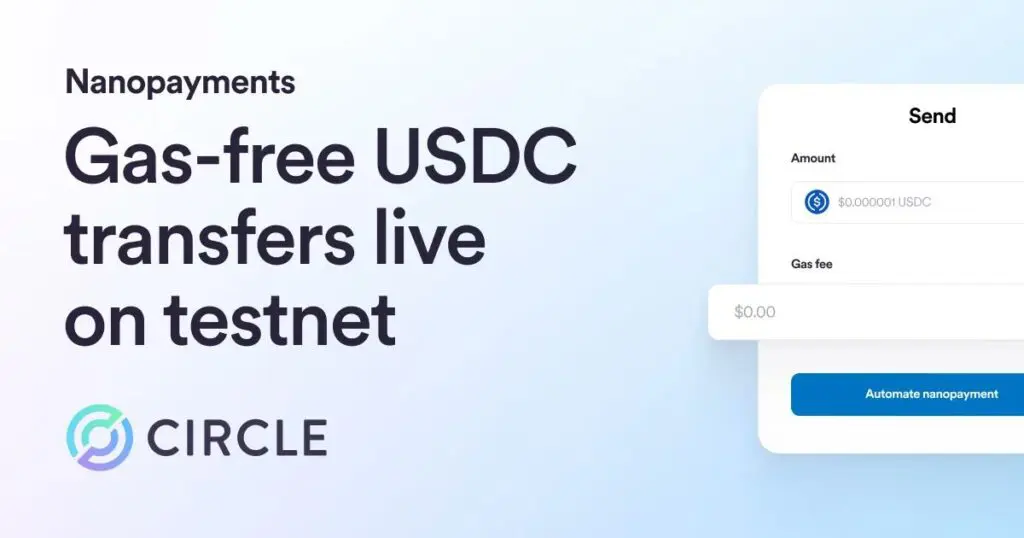
First, Circle has launched Nanopayments on testnet, enabling ultra-small USDC transfers starting from fractions of a cent. Second, AgentMail has integrated the x402 protocol, allowing AI agents to pay for services directly through internet requests.
Together, these innovations introduce infrastructure for what many call the agentic economy. In this model, AI agents operate as independent economic actors. They communicate, access services, and pay each other automatically using stablecoins.
This article breaks down how Circle Nanopayments work, how the x402 protocol enables automated payments over the web, and why these tools could reshape digital commerce.
Before understanding AI agent payments explained, it is important to understand the problem these systems solve.
Traditional blockchains were not designed for extremely small payments. Even efficient networks still charge gas fees for each transaction. When a payment is worth only a few cents, the fee often exceeds the payment itself.
This limitation blocks several emerging use cases:
For example, an AI agent that needs to pay for data access every second cannot realistically broadcast thousands of on-chain transactions. The fees would make the model economically impossible.
Circle’s Nanopayments system addresses this constraint by dramatically reducing transaction overhead.
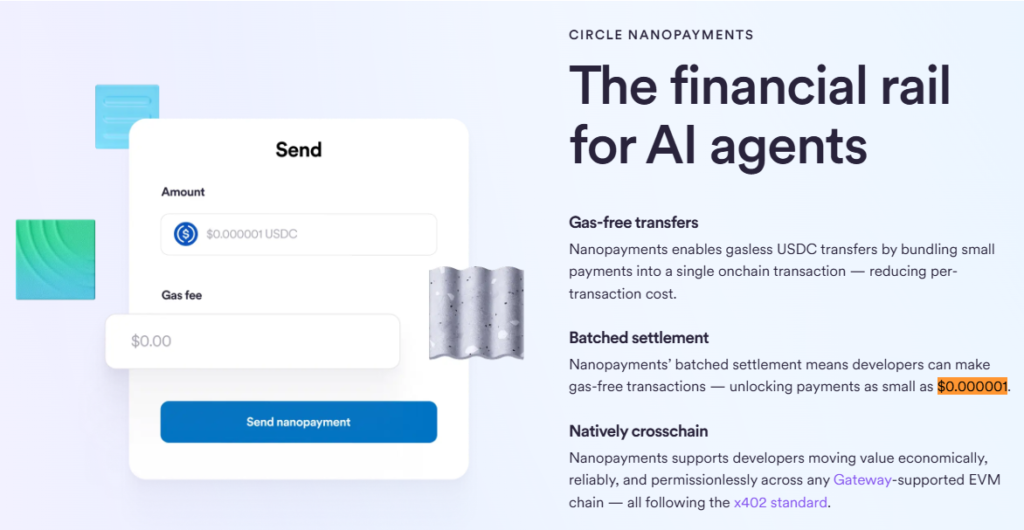
Circle Nanopayments enable extremely small USDC payments by batching transactions and settling them together on-chain.
Instead of broadcasting every payment individually, users first deposit USDC into a Gateway Wallet contract. This deposit is the only step that requires a gas fee.
After that, payments occur off-chain through cryptographic signatures.
Each payment is verified instantly without being immediately written to the blockchain. Later, hundreds or thousands of payments are aggregated into a single on-chain settlement transaction.
This architecture reduces costs dramatically.
For example:
This makes payments as small as $0.000001 economically viable.
Users only pay gas once when funding the Gateway Wallet. Subsequent transfers use signatures rather than on-chain broadcasts.
The system supports extremely large volumes of transactions. This makes it suitable for services that require continuous micro-payments.
Developers can design custom pricing models such as per API request, per computation, or per AI inference.
The system is built specifically for machine-driven economies where AI agents transact autonomously.
Currently, the system operates on the Arc testnet, allowing developers to experiment before production deployment.
While Circle Nanopayments handle the payment infrastructure, the x402 protocol provides a way for internet services to request and receive payments automatically.
The protocol revives the HTTP status code 402 Payment Required, which was originally intended for digital payments on the web but rarely implemented.
With x402, a payment request becomes part of the normal web communication flow.
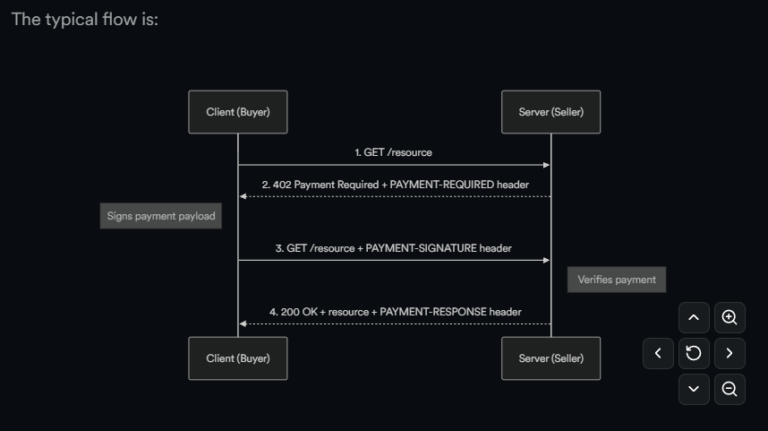
Here is how it works:
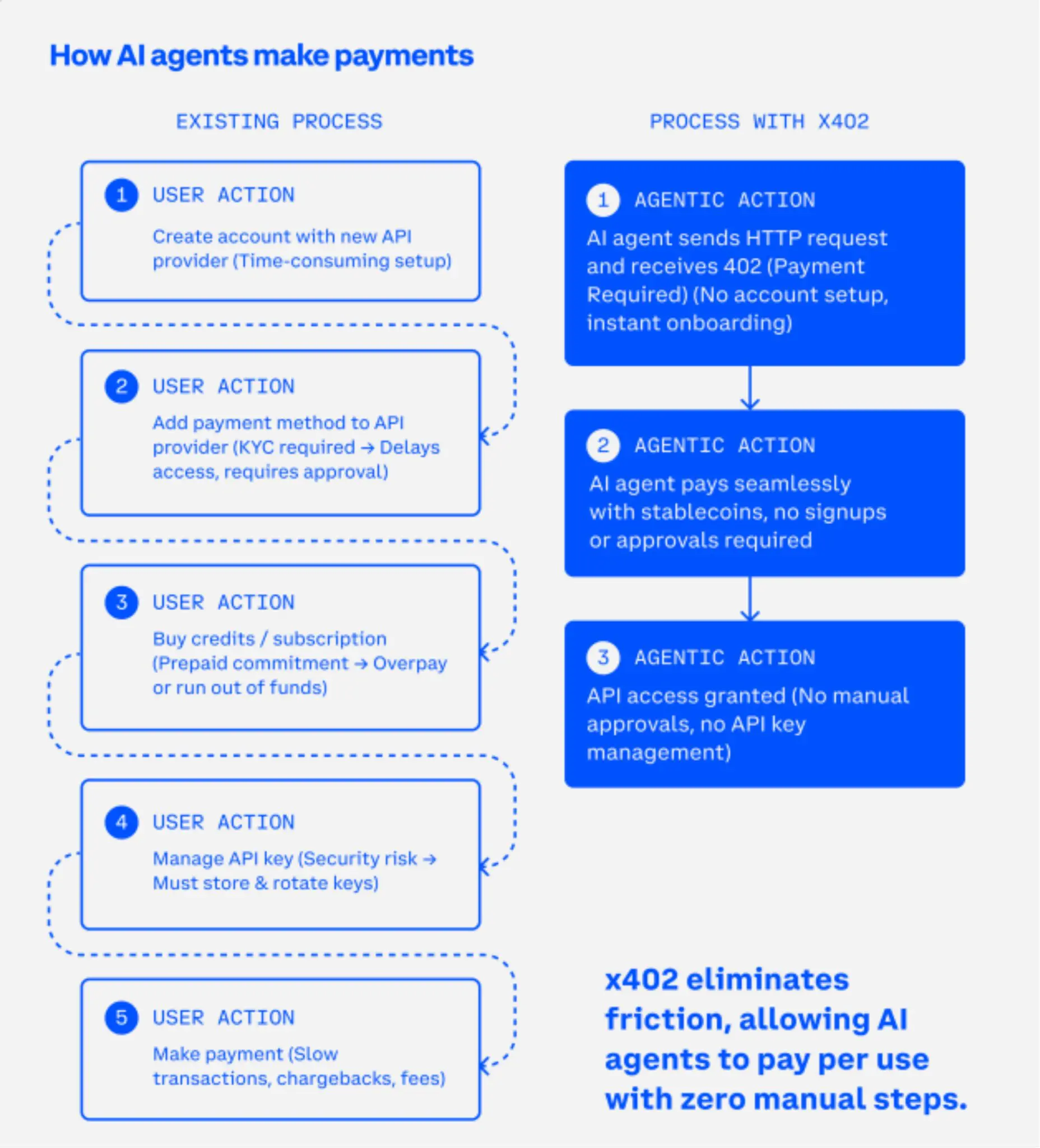
This entire process can occur within milliseconds.
The protocol is open and blockchain-agnostic but often runs on Base, where transactions are extremely inexpensive.
AgentMail demonstrates how AI agent payments explained become real applications.
AgentMail provides email inboxes designed specifically for AI agents. Instead of creating accounts or managing API keys, agents can simply pay for services as needed.
With x402 integration, AI agents can:
Each action triggers a small USDC payment. These payments settle through blockchain infrastructure while remaining invisible to users.
This model removes the need for subscriptions, authentication tokens, or manual billing systems.
Agents simply pay for the actions they perform.
The AI agent payments explained model becomes powerful when multiple systems combine.
Circle Nanopayments provide the financial rails.
The x402 protocol provides the payment request mechanism.
Agent platforms provide the real-world use cases.
Together they enable scenarios such as:
An agent might use Nanopayments to process thousands of microtransactions while communicating through AgentMail using x402 payment requests.
These interactions can occur without human intervention.
These developments solve a long-standing problem in blockchain economics.
Historically, crypto payments worked best for large transfers. Micropayments were impractical. This limited blockchain’s usefulness for internet-scale commerce.
Nanopayments and x402 reverse that dynamic.
They make blockchain viable for extremely small transactions. This opens new business models where services charge per action rather than through subscriptions.
It also positions networks like Base as hubs for AI-native applications.
While promising, this infrastructure still faces challenges.
Scalability must be proven in production environments. Security risks could emerge as agents interact autonomously. Regulatory frameworks around machine-operated payments remain unclear.
Additionally, economic incentives must remain balanced. Systems built around ultra-low payments need sufficient transaction volume to remain sustainable.
However, testnet launches allow developers to experiment with these models before large-scale adoption.
AI agent payments explained through Circle Nanopayments and the x402 protocol represent an important shift in blockchain infrastructure.
Instead of focusing on large-value transfers, these systems focus on enabling millions of tiny payments between machines. This capability could unlock new digital economies where AI agents interact, transact, and coordinate autonomously.
If these experiments succeed, the future of online payments may resemble the internet itself. Information flows freely, and value moves just as easily.
The foundations for that future are now being built.



AI Agent Payments Explained: Circle Nanopayments and the x402 Protocol
Top 7 Projects in the World Liberty Financial (WLFI) Portfolio
Where Crypto Actually Makes Money in 2026?
What If Satoshi Nakamoto Was Here in 2026?
AI Agent Payments Explained: Circle Nanopayments and the x402 Protocol
Top 7 Projects in the World Liberty Financial (WLFI) Portfolio
Where Crypto Actually Makes Money in 2026?
What If Satoshi Nakamoto Was Here in 2026?