Loading Search...



Japan’s rate hikes just triggered a historic carry-trade unwind. Here’s the full Japan rate hikes crypto market explained story

Author: Tanishq Bodh
For more than twenty-five years, Japan supplied the world with something that seemed impossible: money at almost no cost. Near-zero interest rates, negative rates, and endless liquidity allowed traders across continents to borrow yen and use it to buy risk assets. This became the backbone of the famous yen carry trade, a hidden engine behind stocks, tech, emerging markets, and even cryptocurrency and the reason Japan rate hikes were destined to shake global markets when they finally arrived.
For crypto in particular, the impact was enormous. As Bitcoin surged through its biggest bull runs, a major portion of the fuel came from yen-funded leverage. In 2025, that invisible engine finally broke. A series of Japanese rate hikes dismantled the foundations of global liquidity, triggering one of the most violent crypto sell-offs in recent memory. This Japan rate hikes crypto market explained report walks through how we got here, why the carry trade mattered, and how a single central bank decision shook the digital asset world.
To understand the 2025 crash, we must understand the backdrop. Japan’s zero-rate era began in 1999, after the spectacular collapse of its 1980s asset bubble. Land prices plunged, wages froze, and deflation set in.
The Bank of Japan responded aggressively:
For years, banks paid -0.1% for parking money at the central bank. This created the foundation for cheap global funding, and the yen became the go-to currency for anyone seeking near-free leverage. Hedge funds used it. Corporations used it. Retail traders used it. And eventually, crypto traders discovered how powerful it was.
Borrow yen at almost nothing.
Swap to dollars or stablecoins.
Buy everything from Bitcoin to altcoins at 5–10× leverage.
The result was a multi-trillion-dollar shadow financing system with Japan at the center. As this Japan rate hikes crypto market explained narrative shows, what looked harmless eventually became systemic.
Crypto bull markets often appear to ignite out of thin air. Analysts blame ETFs, halving cycles, or retail FOMO. But behind many surges was yen-funded leverage. By 2024, between $1 trillion and $2 trillion in global positions were financed through yen borrowing. Crypto, with its high volatility and global liquidity, absorbed an outsized share.
Bitcoin rising 5% a week while borrowing costs sat near zero created the perfect loop. A large portion of the 2017, 2021, and 2024 bull runs aligned with periods of yen weakness. As Arthur Hayes famously said, Bitcoin often behaved like “a yen carry trade with a whitepaper.”
This structure meant that any shift in Japan’s policy would echo loudly across crypto markets. And that is precisely what happened.
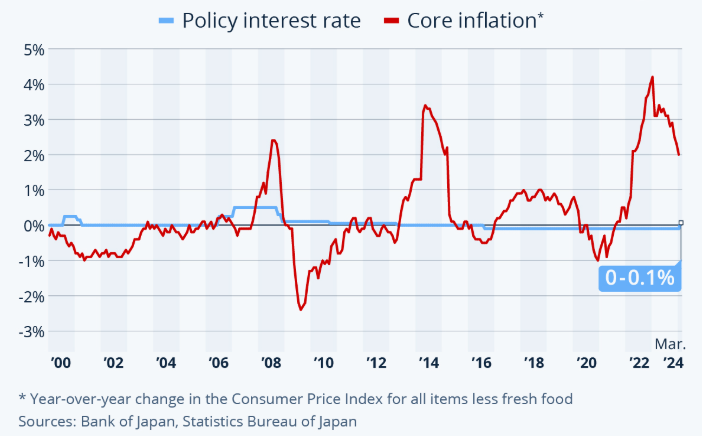
For three decades, inflation in Japan was a myth. Then the global shocks of the 2020s rewrote that story. Supply-chain disruptions, geopolitical tensions, and rising energy costs finally pushed Japanese inflation above target for two straight years.
Workers began securing real wage increases for the first time since the 1980s. The 2024 wage cycle delivered 5.28% growth—an astonishing figure by Japan’s standards. Suddenly, inflation was no longer hypothetical. It was real, persistent, and wage-driven.
The Bank of Japan had no choice but to act. In March 2024, it ended negative rates and moved to a 0–0.1% policy band. Markets shrugged at first. But beneath the surface, stress began to accumulate. This Japan rate hikes crypto market explained story was just beginning.
On July 31, 2024, Governor Kazuo Ueda delivered a surprise hike to 0.25%. The yen, which had weakened to 161 per dollar, strengthened violently to 149. In a matter of days:
– Carry traders were liquidated.
– The Nikkei dropped 12% in a single session.
– Bitcoin collapsed from $70,000 to $53,000.
– Ethereum erased most of its yearly gains.
This was the first crack in the system. But markets dismissed it as a temporary tremor. Traders reloaded. Leverage surged again. Crypto climbed back. The yen carry machine restarted until December 2025 changed everything.
On December 1, 2025, Ueda gave an unassuming speech in Nagoya. One line detonated across trading desks:
“If the data continue to evolve in line with our forecast, we will accordingly continue to raise the policy rate.”
This was interpreted as a guarantee of a December hike and a signal that higher rates were not temporary. The reaction was instant:
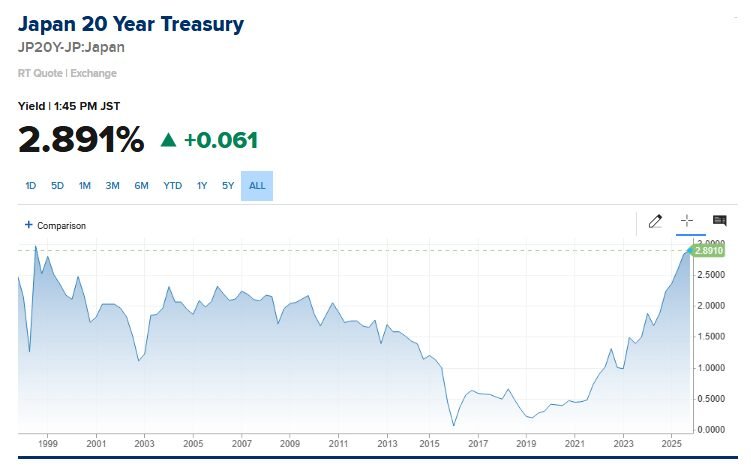
The only way to unwind these positions was to sell what had been purchased with yen loans. That included equities, gold, and most painfully crypto.
This moment is fundamental to the Japan rate hikes crypto market explained analysis. As the yen strengthened sharply, the unwind began.
In real time, the selloff looked like this:
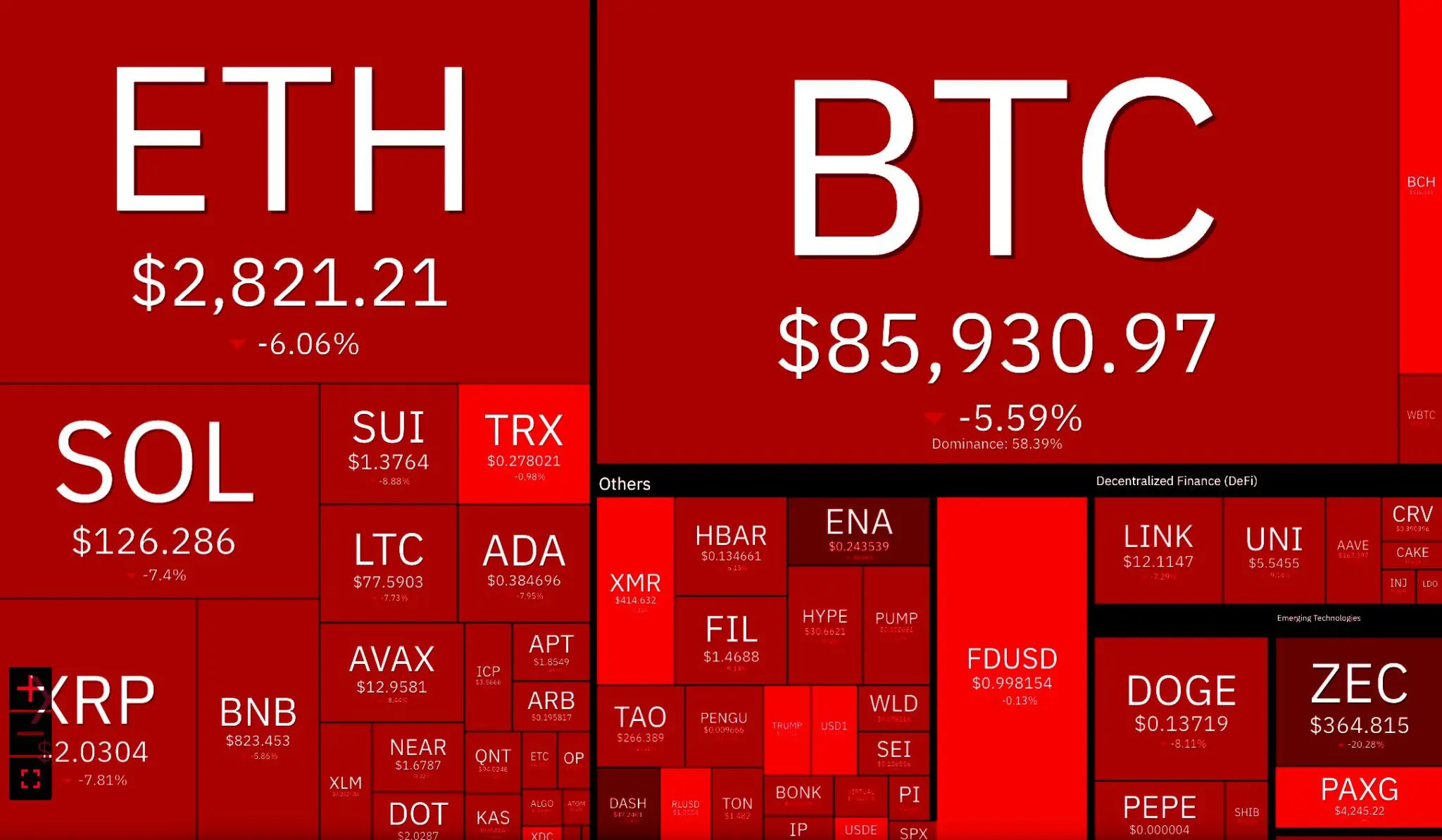
The liquidation map was brutal:
Crypto suffers more during liquidity shocks because it is uniquely exposed:
Crypto acts as a high-beta, global risk barometer. When funding evaporates, it collapses instantly. This is why Japan rate hikes crypto market explained is crucial for understanding crypto volatility.
By the next day, Bitcoin stabilized around $84,000. Stocks recovered. Analysts claimed the worst was over. But something deeper had shifted:
The era of free yen-funded leverage was ending.
The psychological anchor of “Japan = cheap money forever” broke.
Global markets realized that BOJ policy mattered more than they assumed.
Even small future rate hikes could trigger more forced selling from the massive carry-trade complex.
Path A: The Bank of Japan pauses
Ueda halts the hikes. The yen weakens. Carry traders reload. Bitcoin surges in 2026.
Path B: The Bank of Japan stays aggressive
This Japan rate hikes crypto market explained scenario remains fluid. Traders are watching the December meeting as a global pivot point.
The story of the carry trade is the story of modern financial markets. For twenty-five years, Japan played the unexpected role of global liquidity engine. Crypto, with its leverage and round-the-clock volatility, became one of the biggest beneficiaries. As this Japan rate hikes crypto market explained analysis shows, the unwind of this system has transformed market dynamics.
The cheapest money in history is gone.
The crypto market, built on borrowed yen, is learning what happens when the bill finally arrives.
The new normal is one where Japan’s central bank decisions matter as much as the Federal Reserve—and where liquidity cycles can no longer be taken for granted.