Loading Search...


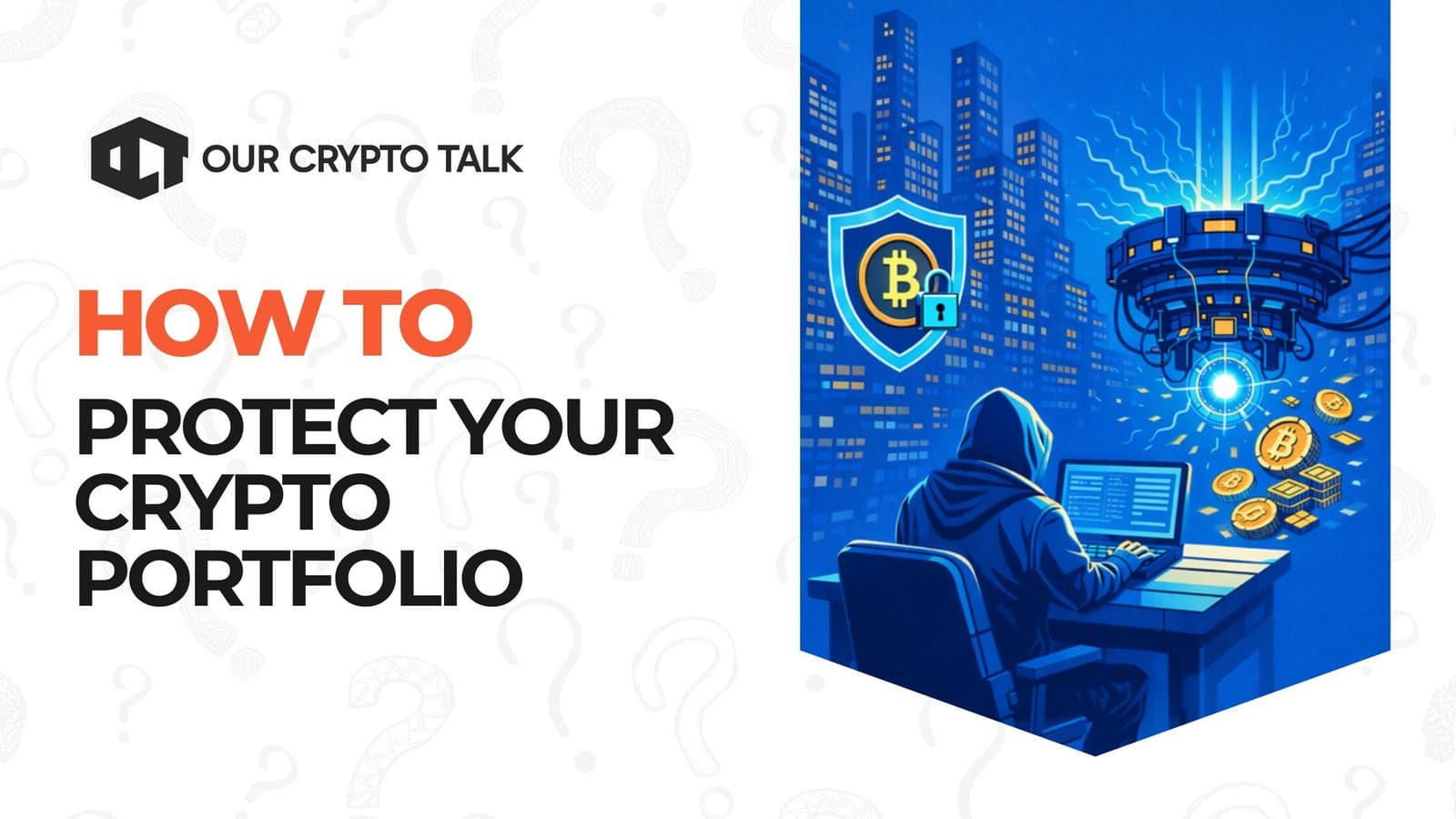
Protect Your Crypto Portfolio from quantum threats follow protocol upgrades with practical steps to secure wallets.

Author: Arushi Garg
If you hold crypto long term, you may have heard scary terms like Q-Day or quantum computers breaking wallets.
Most people are confused about what this actually means and whether they should act now or ignore it. This guide cuts through the noise, offering practical, calm steps to protect your crypto portfolio from quantum computing threats.
It explains what the threat really is, why it matters for Bitcoin, Ethereum, and altcoins, and which actions make sense today.
It also highlights common pitfalls, showing what not to do to avoid overreactions or falling for fake “quantum-safe” products. Let’s start simple.
Quantum computing is a different way of processing information compared to normal computers. Traditional computers solve problems step by step. Quantum computers can explore many possible solutions at the same time. This makes them extremely powerful for certain types of calculations.
Crypto wallets rely on cryptography, which is a set of math rules used to protect private keys. These math rules are designed so that breaking them would take an unrealistic amount of time using today’s computers. Some of these cryptographic methods could become weaker if large-scale quantum computers are built in the future. This does not mean crypto security is flawed. It means the assumptions behind that security may change over time.
When you send a transaction, your public key becomes visible on the blockchain. In a future where quantum computers are strong enough, that public key could be used to attempt to derive the private key. This scenario is still theoretical. No existing quantum computer can break Bitcoin, Ethereum, or common crypto wallets today. There has been no real-world wallet compromise caused by quantum computing.
The term Q-Day is used to describe the moment when quantum computers become powerful enough to threaten current cryptographic systems.
It is not a fixed date. It is a concept used to encourage preparation, not panic. For long-term holders, understanding this risk early allows time to adapt safely and calmly.
Most crypto wallets protect funds using public-key cryptography. This system works by keeping your private key secret while allowing your public key to be shared when needed. When you send a transaction, your public key becomes visible on the blockchain. This is normal and safe today. The concern comes from the future.
A sufficiently powerful quantum computer could, in theory, analyze that public key and attempt to calculate the private key behind it. This would not happen instantly, and it would not affect everyone at once. But it changes how long certain security assumptions can hold.
Long-term dormant wallets are more exposed because they often contain funds that have not moved in years. If cryptographic standards change, those wallets may not automatically benefit from upgrades.
Reused addresses increase risk because they expose the same public key repeatedly over time. The more often an address is reused, the more information is available on-chain.
Large balances naturally attract more attention. If a future attack becomes possible, attackers will focus on high-value targets first, not everyday users. Blockchains also move slowly when it comes to upgrades. Security changes require community agreement, testing, and adoption. This takes time, even when a risk is known.
This does not mean panic or selling everything. There is no emergency today. It means adjusting habits so your crypto stays safe even as technology evolves. Small changes now reduce pressure later. Learning how to protect your crypto portfolio from quantum computing threats is about future-proofing. It helps you stay prepared without reacting to fear-driven headlines or speculation.
Address reuse exposes your public key more often.
What to do:

Old wallets that have not moved funds for years are more vulnerable long term.
What to do:
This refreshes your cryptographic protection.

Newer wallets follow better key-handling practices.
Recommended actions:
This does not make you “quantum-proof,” but it reduces exposure.

Multisig wallets require multiple keys to move funds.
Even if one key were compromised in the future, funds stay protected.
What to do:

Connect Meta Mask Wallet to the Safe

Some blockchains are actively researching quantum-resistant cryptography.
You do not need to migrate today.
But you should:
This is where protocol upgrades are announced first.
Examples:
Look for:
Where they post:
Signals to trust:
Using the right habits matters more than using new or experimental tools. These practices reduce risk today and keep your crypto safer in the future.
Hardware wallets keep your private keys offline. This means they never touch the internet unless you sign a transaction. For long-term holdings, this is one of the safest options available today. Even if your computer is compromised, the private keys stay protected. Only connect the device when you need to move funds. Disconnect it once the transaction is complete. Using hardware wallets is a key step in how to protect your crypto portfolio from quantum threats.
Sharing wallet addresses on social media or forums creates a permanent link between you and your funds. Once an address is public, it can be tracked forever. This increases attention and risk, especially for large balances. Use different addresses for different purposes.
Generate new receiving addresses whenever possible. Privacy today also protects you against future threats.
Do not use one wallet for everything. Long-term holdings should stay untouched and offline. Trading wallets should only hold what you actively use. This limits exposure if a trading wallet is compromised. It also makes portfolio management clearer and safer. Think of it as savings versus daily spending.
Always back up your recovery phrase. Store it offline, not in cloud storage or screenshots. Use paper, metal backups, or dedicated storage tools. Keep copies in separate secure locations if possible. Never share your recovery phrase with anyone. Anyone who has it controls your funds.
Technology changes slowly, but threats change over time.
Once a year, review:
This simple check helps you stay aligned with best security practices without stress.
Follow these steps carefully, stay cautious, review your wallet habits regularly and use our website guides for tools and walkthroughs to protect your crypto portfolio with confidence.