Crypto can be exciting, but it also carries risks. One common problem is rug pulls. A rug pull happens when developers of a crypto project suddenly withdraw all funds, leaving investors with worthless tokens. Many beginners find it hard to tell which projects are safe.This guide will show you how to spot rug pulls in crypto before you invest.
We will break down what to look for in a project, how to check developer credibility, and which signs indicate risk. By the end, you will know practical steps to protect your funds and make informed decisions.
This article is written to be clear and easy to follow. No jargon you do not need. Each step focuses on simple checks you can do yourself.
What is a Rug Pull?
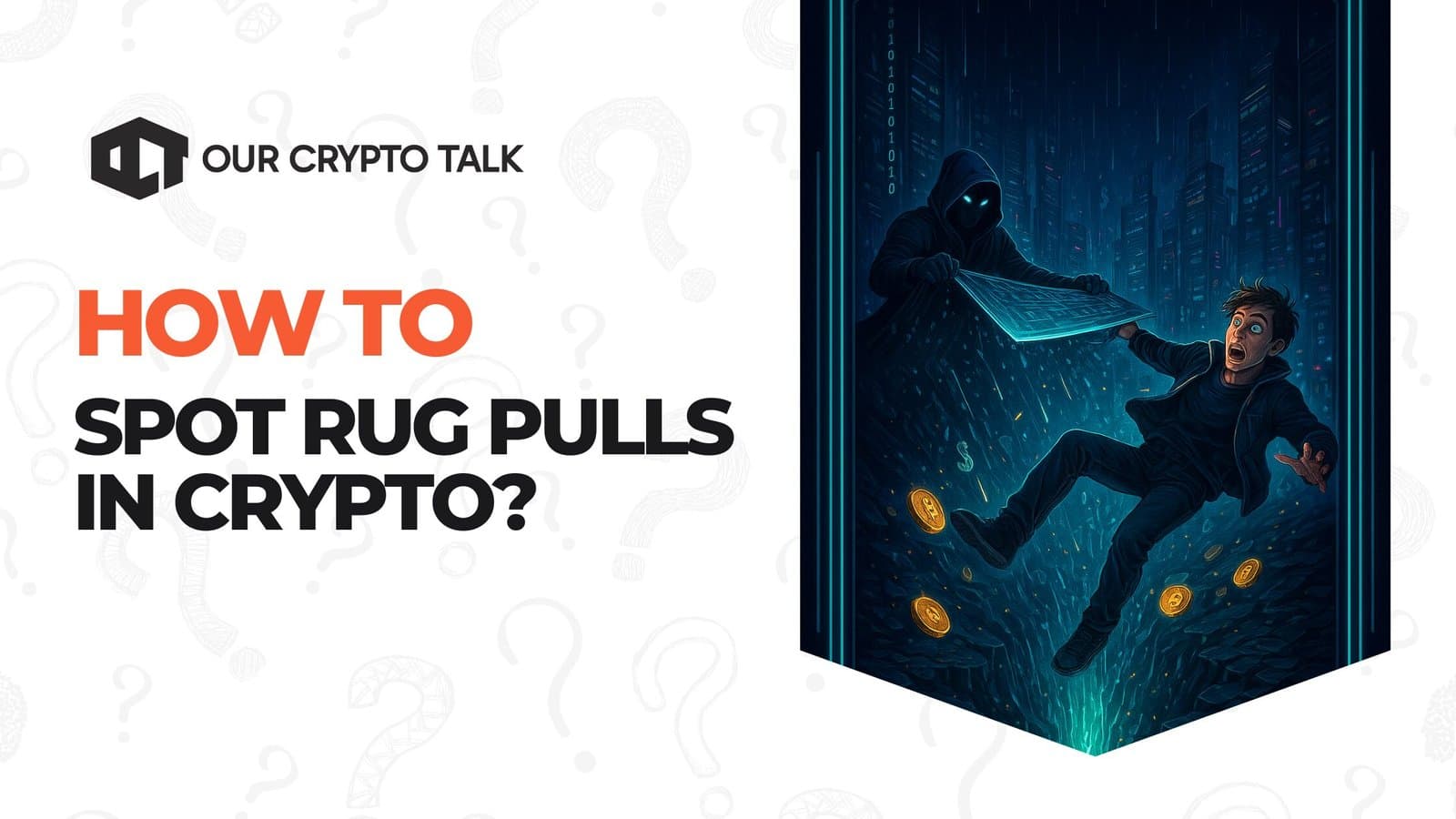
A rug pull is a type of scam in the cryptocurrency world. It happens when the creators or developers of a crypto project attract investors with promises of high returns, only to suddenly withdraw all the funds. When this happens, investors are left with tokens that have little or no value, essentially losing their money.
Think of it like buying a product or service that disappears the moment you pay for it. You expect something tangible or valuable in return, but instead, the developers vanish with your investment. In the crypto space, rug pulls often occur in new coins, tokens, or decentralized finance (DeFi) projects, which are platforms that allow people to trade, lend, or stake tokens without relying on traditional banks.
Rug pulls can take different forms. Sometimes the developers drain liquidity from exchanges, making it impossible to sell your tokens. Other times, the project team may abandon development after raising funds, leaving investors with a non-functional or worthless token. Even experienced investors can be caught off guard because scammers often create professional-looking websites, marketing materials, and fake social media hype to gain trust.
Understanding what a rug pull is helps you recognize the warning signs early. By knowing how these scams operate, you can take steps to protect your investments and avoid projects that may disappear overnight.
Why Learning to Spot Rug Pulls Really Matters
Spotting rug pulls in crypto is crucial for anyone investing or trading. Here’s why:
Protect your money:
Crypto is largely unregulated. If a project scams you, banks or authorities usually cannot recover your funds. Identifying scams early helps you avoid losing significant amounts.
Save time and focus:
Instead of chasing every new token, you can concentrate on projects with credible teams, clear roadmaps, and transparent practices. Early detection of red flags allows you to make calm, informed decisions.
Build confidence:
Understanding how to check token contracts, liquidity locks, and developer histories gives you more certainty when investing. You’ll feel confident researching and assessing projects without relying on hype or recommendations.
Reduce emotional decisions:
Scammers often exploit fear of missing out (FOMO). Knowing how to spot risks helps you avoid panic buying or selling and keeps your investment strategy rational.
Protect your community: By spotting scams early, you can share reliable insights with friends or crypto groups, helping others avoid losses.
Improve long-term strategy: Recognizing safe versus risky projects allows you to focus on sustainable investments rather than chasing short-term, high-risk gains.
Understand market behavior: Learning to identify rug pulls helps you read patterns in token launches, liquidity movements, and social hype, giving you an edge in spotting potentially problematic projects.
Increase control over your portfolio: You’ll be better able to diversify safely, manage risk, and avoid projects that could collapse suddenly.
Develop analytical skills: Regularly evaluating projects for red flags improves your ability to assess investments in crypto and other emerging technologies.
Enhance learning and knowledge: The process of spotting scams educates you on tokenomics, smart contracts, and DeFi operations, strengthening your overall understanding of the crypto ecosystem.
Step by Step Guide
Step1: Check the Team and Developers
Look for real names, not aliases (Check the website mentioning the team and social media handles and go through them)
Check if they have LinkedIn profiles, GitHub accounts, or personal websites.
Search for their past crypto or tech experience.
See if they’ve worked on successful or failed projects before.
Verify if advisors and partners are legitimate companies, not random logos.
Step2: Review Tokenomics and Liquidity
Visit the token’s page on CoinGecko/CoinMarketCap (After adding Smart contract address in the search bar, the project appears and you can check all the details)
Check the smart contract on Etherscan/BscScan.
Look at the token supply breakdown:
How much is for the team?
How much is for liquidity?
Any large unlocked allocations?
Check Liquidity Pool (LP):
Is liquidity locked?
For how long?
With which service? (Unicrypt, Team Finance, PinkLock)
Step3: Audit Smart Contracts to Spot Rug Pulls
Look for audits from firms like:
Download the report and check for:
Critical or high-severity vulnerabilities
Owner privileges
Backdoor minting functions
Emergency withdrawal functions
Now you can check all the security protocols of the company.
Are transactions consistent with real users or manipulated?
Step6: Be Wary of Promises
Evaluate the tone of the project:
Ask these questions:
Are they promising guarantees?
Are returns unrealistic?
Are they avoiding mentioning risks?
Common Mistakes and How to Fix Them
Common Mistake
Why It’s a Problem
How to Fix It
Ignoring developer transparency
Anonymous or fake teams are hard to hold accountable; higher risk of scams.
Research LinkedIn, past projects, and social media profiles; verify identities.
Not checking liquidity locks
Developers can withdraw liquidity anytime, leading to instant losses.
Use platforms like Unicrypt or Team Finance to confirm liquidity is locked in a verified smart contract.
Relying solely on audits
Audits can miss bugs or be superficial; not a full guarantee.
Read audit summaries carefully; check for unresolved issues and cross-reference multiple audits if available.
Falling for hype
Social media and influencer promotions can create false excitement.
Focus on research, tokenomics, and security checks rather than popularity.
Ignoring token distribution
Large allocations to founders or insiders can lead to price crashes.
Check tokenomics charts, Etherscan, and distribution schedules; prefer projects with fair distribution.
Overlooking project activity
Inactive or abandoned projects increase rug pull risks.
Monitor GitHub, social media, and community updates for ongoing activity.
Best Practices / Tips to Spot Rug Pulls
1. Only invest what you can afford to lose especially to Spot Rug Pulls early
Crypto markets are highly volatile. Even legitimate projects can lose value quickly. Investing more than you can afford to lose can create stress and poor decision-making. Tip: Treat crypto as a high-risk part of your portfolio. Start with small amounts and gradually increase only as you gain experience.
2. Cross-check multiple sources before trusting a project to Spot Rug Pulls
Relying on a single source, such as a project website or social media promotion, can be risky. Scammers often create fake reviews or hype campaigns. Tip: Verify information across multiple trusted sources, like Etherscan, CoinGecko, audit reports, and reputable crypto news outlets. Look for consistency before making a decision.
3. Use hardware wallets for extra security
Storing crypto in exchanges or software wallets exposes you to hacks or phishing attacks. Hardware wallets keep private keys offline, reducing the risk of theft. Tip: Popular hardware wallets include Ledger and Trezor. Always buy from official sources and never share your recovery seed.
4. Track your portfolio with reputable analytics apps
Knowing where your funds are and how they are performing helps you act quickly if a project shows signs of risk. Tip: Use apps like Zapper, Zerion, or Debank to monitor balances, token distribution, and transaction history. Set alerts for unusual activity.
5. Join communities cautiously and verify information independently
Crypto communities on Telegram, Discord, and Twitter are valuable for updates, but they can also spread misinformation. Bots and fake accounts may exaggerate hype. Tip: Engage actively but verify every claim. Cross-check project announcements with official sources and smart contract activity before making investment decisions.
6. Stay updated on smart contract and token standards
Understanding ERC-20, BEP-20, or other token standards helps you identify suspicious tokens and avoid scams. Tip: Learn basic contract interactions and token features. This knowledge allows you to identify unusual transaction patterns.
FAQs — Rug Pull Safety
Can rug pulls happen on large projects?
They are less common in established projects but possible. Always check liquidity and developer activity.
Do I need special tools to detect rug pulls?
No. Public tools like Etherscan and Dextools are enough for basic checks.
Are audits a guarantee of safety?
No. Audits reduce risk but do not eliminate it. Always read the report carefully.
Is investing in anonymous projects always unsafe?
Not always, but it increases risk. Transparency is a key safety factor.
How often should I monitor my investments?
Weekly checks are usually sufficient unless you invest in highly volatile tokens.
Can I recover funds from a rug pull?
Recovery is very rare. Prevention is the best strategy.
Are there communities that warn about scams?
Yes. Reddit, Telegram, and Twitter often share scam alerts, but verify information carefully.
Try these checks step-by-step. Stay cautious, verify every claim, and explore our website guides for more tools and walkthroughs to spot rug pulls.