Loading Search...


Crypto buybacks are surging, but not all boost token prices. Learn why some buybacks create real support while others become short-term hype.

Author: Akshat Thakur
Crypto Buybacks have recently turned into a major catalyst across markets, especially for token price action, and we’re seeing it everywhere. For example, HyperliquidX routes 97% of platform fees into $HYPE buybacks and has already crossed over $1B in cumulative purchases, which keeps a steady bid in the book.
In contrast, Pumpdotfun spent around $44M repurchasing $PUMP, including a $12M single-day buyback last week, yet the price gains faded quickly after the initial pop. Meanwhile, 0xfluid’s community is actively debating a dynamic model that can allocate up to 100% of revenue to buybacks when FDV is low, and the Arbitrum DAO is considering an institutional ARB buyback funded through bond issuance.
We keep using the same word “buyback” but the outcomes vary widely. This alone tells us something important: crypto buybacks can act as support, resistance, or even a source of drawdown, depending entirely on how they’re designed and executed.
So the real question is:
Why do some crypto buybacks pump a token, while others barely hold the price up?
Buybacks are not magic they are flows, and flows interact with supply, liquidity, and trader behavior. Four core mechanics shape the outcome of a buyback program:
Many projects announce buybacks and still see price bleed. Understanding the failure modes is just as important as understanding the wins.
Often, buybacks become bullish headlines without real impact cosmetic, not structural.
Not all buybacks follow the same logic. Projects adopt different models to decide when and how to buy, and these models directly determine the outcome. Here are the most common ones used in crypto today:
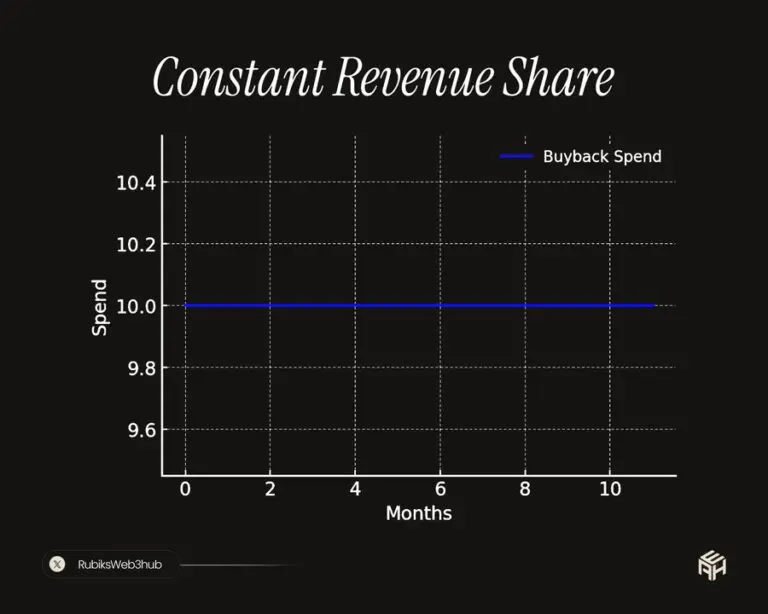

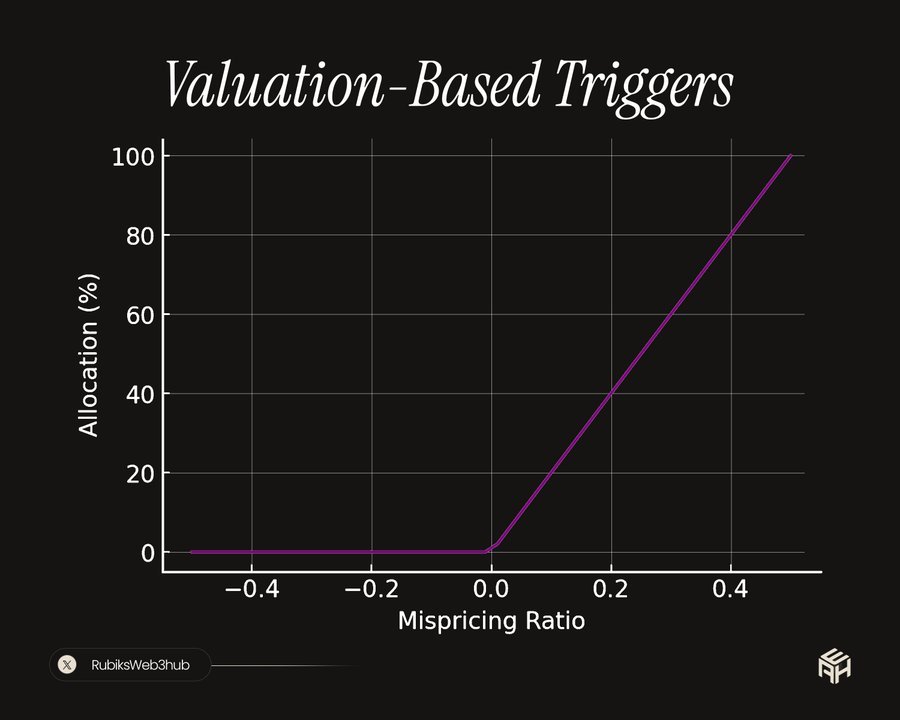
0xfluid‘s community has been debating exactly this. A dynamic model that can push buybacks up to 100% of revenue when FDV is low. If it is done right, this design is countercyclical. If done wrong, it can be gamed by a restricted float or unrealistic multipliers.
Below is an opinionated post on Fluid proposed methods by 0xnoveleader:
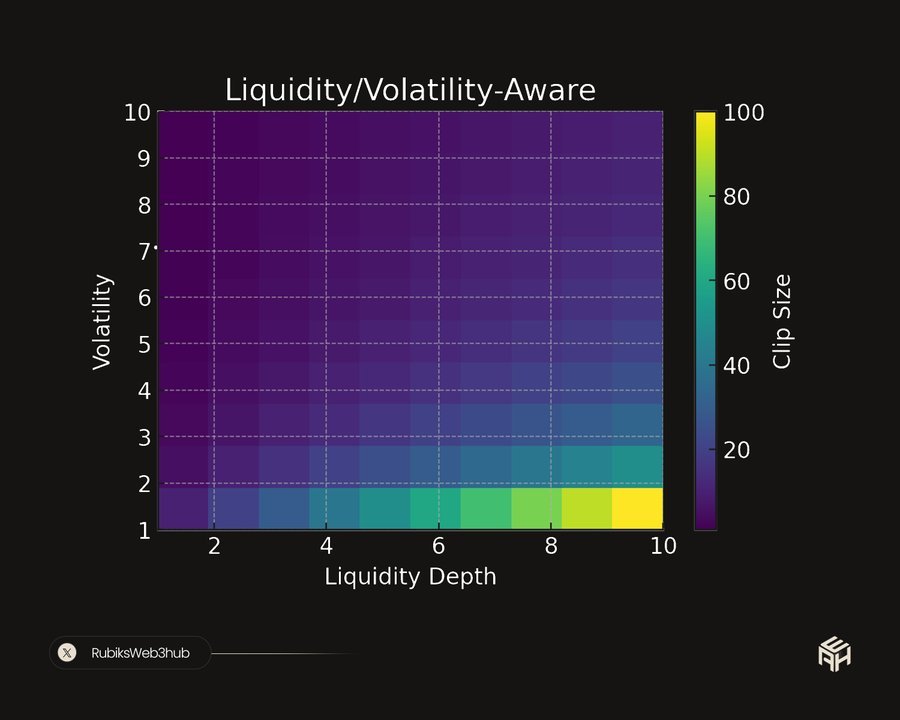
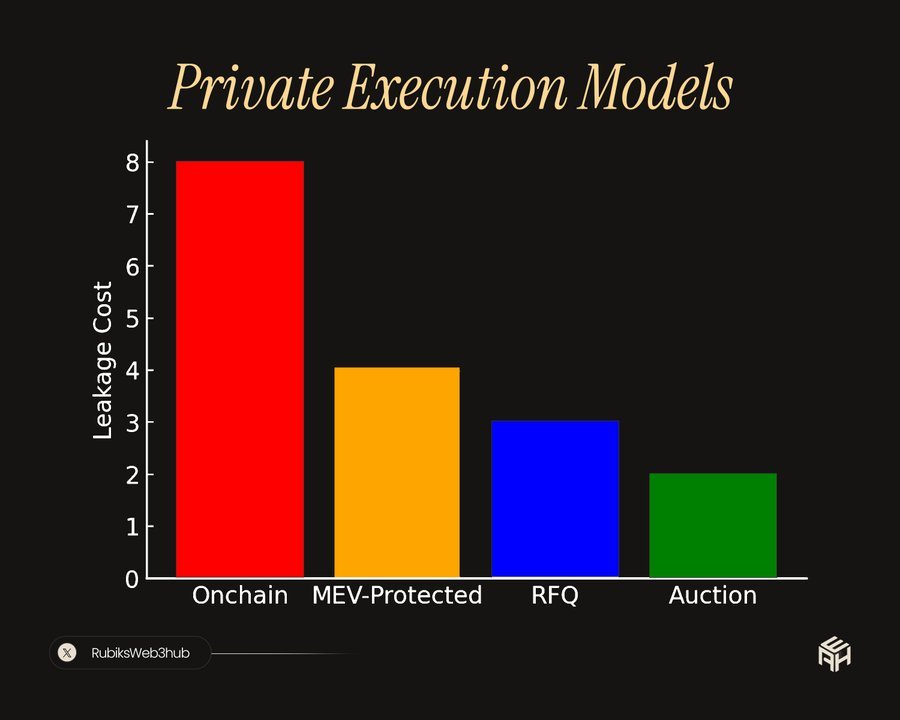
Not every buyback delivers the same kind of demand. Some create temporary support; others build lasting floors.
This distinction matters because cosmetic buybacks create noise; real buybacks create floors that last across cycles.
Some buybacks create durable floors; others are purely cosmetic. The difference usually comes down to design and discipline. Strong buyback frameworks share these traits:
Buybacks succeed when they feel engineered, not promotional.
When a project launches a buyback, track these indicators to understand whether the program genuinely matters:
This is how you distinguish a real structural catalyst from a market stunt.
Buybacks are plumbing, not fireworks. If a buyback only works when everyone is watching, it’s theatre. If it holds when no one is looking, it’s support.
Treat every buyback as a contract between the project and the market:
Teams that approach buybacks like operators not promoters are the ones that earn credibility.
Zero theatre, full receipts.
Everything else is smoke.